
Updated on 03/12/2024
Dear readers
My name is Frank and I run a tour operator in Bogota, specializing in custom-made and Colombia luxury travel.
At the end of this guide you will find a list of many other helpful travel guides for Colombia.
Content
Why visit Yopal?
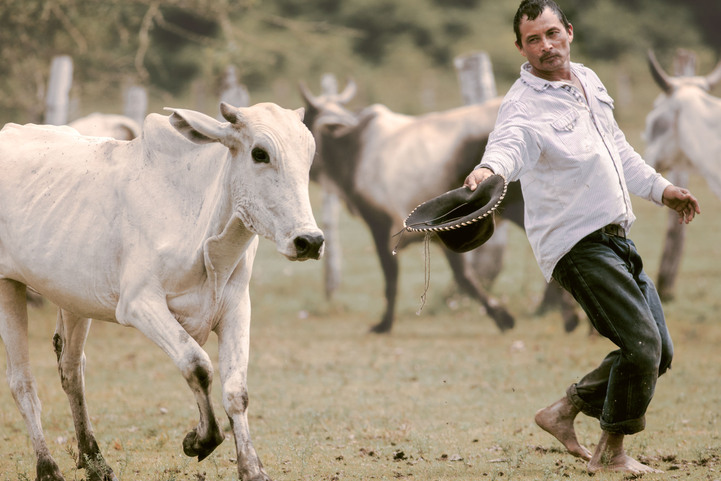
Yopal is a Colombian municipality that offers a variety of tourist and cultural attractions. It is the capital of the department of Casanare, a region rich in fossil energy, agriculture and livestock. Yopal has a cool climate and an impressive biodiversity that is evident in the plains, rivers and Yopo forests.
In addition, Yopal has an interesting history marked by the presence of the Achaguas and Salivas indigenous peoples, as well as the influence of Boyacan settlers. A visit to Yopal is an opportunity to get acquainted with a promising city that combines progress with the tradition of the lowlands.
Facts about Yopal
Yopal is located in the eastern region of Colombia. In 2021, the city had an estimated 168,000 inhabitants. Located at an altitude of 350 meters above sea level, Yopal has a tropical savannah climate characterized by high temperatures all year round and pronounced rainy and dry seasons.
The average temperature in Yopal is 27°C, with a rainy season from April to November and a dry season from December to March. Founded on February 22, 1915, Yopal is a major center of the oil and gas industry in Colombia. Agriculture, animal husbandry and tourism are also important industries in the city.
Tourist sights and activities in Yopal
Yopal is a city that offers a variety of tourist, cultural and natural attractions for travelers who want to know and enjoy the beauty and tradition of the Lanera.
Here are some of the places you can visit in Yopal and the activities you can do to have an unforgettable experience.
Virgen de Manare
Athletes are very early in Yopal because the temperatures get very hot during the day. A very popular destination is the statue of the Virgen de Manare. This is on top of a hill just off the town and you can walk there from the hotel. You pass a military base, but no identity checks are carried out at the checkpoint. On the contrary, the soldiers are always curious as soon as they see foreigners. You should take some money with you as there are small restaurants by the statue.
From the statue you have a wonderful view over the whole city and the plain.
Historias de Piedra theme park
This park is a work of art by the sculptor José Antonio Suárez, who used the natural shape of the rocks to sculpt human and animal figures depicting typical scenes from the plain. The park is about 15 minutes from central Yopal and costs 4,000 Colombian pesos (US$1) to enter per person. It is an ideal place to admire the artists’ talent and creativity and to take fun and original photos.
You can see many animals of the region carved in stone.
Park El resurrection
This park is the largest in Yopal and is located in the northern part of the city. Its name refers to the city’s rebirth after the 1998 earthquake. In the park, there is a monument to the founders of Yopal , green spaces, and children’s playgrounds. The park is an ideal place to relax, walk, play sports or enjoy with family.
Yopal Cathedral
Yopal Cathedral is the city’s main Catholic place of worship and is located across from Santander Park in the historic center. Its construction began in 1955 and was completed in 1989. Their architecture combines modern elements with colonial details.
Safari through the prairie
A ” Llanero ” safari through scenic plains is a must-do when visiting. Here you can learn more about the Lanero way of life, their culture, music and gastronomy. You can also observe and photograph the wildlife of the plain, e.g. B. deer, chigüiros, babillas, birds and reptiles.
Best time to visit Yopal
The best time to visit Yopal depends on the preferences of travelers. For those who prefer dry and warm weather, January and February are the ideal months to visit. For those wanting to experience the culture and local events, April and May are good times to visit. It should be noted that there are more tourists traveling during these months, which may affect prices and availability.
For travelers willing to put up with more rain and humidity, the months of July through December could be a good choice. During this time the prices are lower and the crowds are less.
Events in Yopal
Yopal has a varied calendar of events throughout the year that attracts both locals and visitors. Here are some of the major events taking place in Yopal.
Copa America de Coleo
Coleo is a traditional “Llanero” activity in which a rider at full speed grabs a bull’s tail, causing the bull to fall. It is considered an extreme sport and is a spectacle full of adrenaline and skill. The Cup América de Coleo is the most important event in this discipline, bringing together the best coleaders from Colombia and other countries such as Venezuela, Mexico and the United States. It takes place every year in the last months of the year at the Coliseo municipal El Cimarron instead.
https://www.facebook.com/copaamericadecoleo/
El Cimarrón de Oro
El Cimarrón de Oro is a music festival that aims to highlight Llanera culture and its artistic expressions. It takes place every year in Las Malocas Park. This event features local, national and international artists representing genres such as joropo, pasaje and golpe play lanero. There are also competitions in song, dance, copla and contrapunteo. The Cimarrón de Oro is an opportunity to enjoy the music and joy of the Llaneros.
https://www.facebook.com/cimarrondeoro2022/
Garcero del Llano
El Garcero del Llano is an ecological and tourist event that takes place every year between September and November at Hacienda La Aurora. It is a guided tour of a wetland where you can see a variety of migratory and resident birds, most notably white herons that form large colonies or garceros. The Garcero del Llano is a unique experience where you can get to know the biodiversity and the natural beauty of the Eastern Plain.
Feast of the patron saints of the village of La Chaparrera
La Chaparrera is a village located 25 kilometers south of Yopal. It is known as the birthplace of llanero singer Orlando “Cholo” Valderrama. Every year in December, the patronal festival in honor of the Virgin Immaculate Conception is celebrated here. These celebrations include religious, cultural and recreational activities such as processions, fairs, concerts, fireworks and sports competitions.
Nightlife in Yopal
In Yopal there is a variety of bars, nightclubs and other places to spend a fun and lively night. These are some of the main nightlife spots in Yopal:
Paradise Club
If you are looking for a modern and sophisticated place, Paradise Club is a good choice. Electronic music, reggaeton and other current genres are played in this club. It also has a VIP area, an outdoor terrace and a professional bar service. Paradise Club is located at Calle 31 #5-17 and is open on Fridays and Saturdays from 8pm to 4am.
https://www.facebook.com/paradiseclubyopal/
Plaza Juarez Club
This is one of the most popular and most visited places in Yopal . It is a club that combines a live mariachi show with a variety of music to suit all tastes. Here you can enjoy a wide range of drinks and cocktails, as well as a festive and joyful atmosphere. The Plaza Juarez Club is located in the El Hobo – Local 216 and is open daily from 6pm to 3am.
https://www.facebook.com/PLAZAJUAREZYOPAL/
Typical food in Yopal
Yopal offers a wide range of dining options to suit all tastes and budgets, from typical Lanera cuisine to international cuisine. Here are the best places to eat in Yopal.
Typical food
If you want to try the traditional dishes of the region, such as B. Roast beef or pork “llanero” style, “sancocho de gallina criolla”, rice with meat and ripe plantains, or cheese curd with panela molasses, we recommend a visit to Asadero La Mamona (Calle 11 # 18-44), at the restaurant El Brasero (Carrera 19 # Calle 18) or Carnes y Arepas Santandereana’s (Calle 15 # 25-08). These restaurants offer friendly service and a family atmosphere, as well as affordable prices and generous portions.
Fast food
If you prefer something quicker and more convenient, but just as tasty, you can opt for a gourmet burger at Can West (Hamburguesas Can West), a wood-fired pizza at Napoli Pizza Al Leno (Carrera 26 #11-22), or Choppers Pizza Gourmet (Carrera 25 # 11-48) or a sandwich or wrap at Crocante Yopal (Calle 11 # 24-37) decide. These places offer good value for money and efficient service.
Restaurant chains
If you prefer more well-known and reliable options, you can find some national and international restaurant chains in Yopal. For example, you can enjoy a parrillada at Carbon y Vino or La Res, Peruvian ceviche at Sebiche, Japanese sushi at Osaka Sushi or a French crepe at La Kreperia.
For vegans
If you are vegan or vegetarian, there are options in Yopal for you too. You can visit Chez Dom Yopal, a restaurant that offers healthy and organic dishes made with local ingredients. You can also visit the Terranova Café Gourmet, which offers vegan options such as salads, wraps and natural juices.
Yopal Accommodation Guide
Yopal enchants all visitors. From its deep-rooted culture to its unique natural landscapes, it offers alternatives for every type of traveler. Combine your lodging with your plans to make the most of this city full of history and natural beauty.
For more details on places to stay, check out our Yopal lodging blogs below:
How to get to Yopal
Yopal is easily accessible from both the capital, Bogotá, and other major cities nearby. Here are some transportation options to get to Yopal:
Airplane
El Airport Alcaraván (EYP) is Yopal ‘s main airport and is served from Bogotá, Villavicencio and other Colombian cities. The airport is approximately 6 km (3.7) from the city center and taxis are available for transportation to and from the airport.
The airlines that offer connections are as follows:
Bus
Yopal is well connected to other cities in Colombia by a network of intercity buses. From Bogotá, the journey takes between 8 and 10 hours, depending on the route and time of day. Several bus companies offer daily departures from the capital, including Bolivariano, Copetran and Omega.
The easiest way to buy tickets is through Pinbus.
By car
Yopal can also be reached by car from Bogotá or other nearby cities. The journey takes about 8-10 hours depending on the route and traffic conditions. The main road that connects Yopal to Bogotá runs through the eastern plains and offers beautiful panoramic views of the countryside.
The following companies rent cars in Colombia:
- hertz
- advice
- ABC
How to get around in Yopal?
In Yopal you have several options to get around the city and its surroundings:
Taxi
This is the most convenient and safest way to get around Yopal. You can use mobile applications or find a taxi on the street. The minimum cost of the service is around 5,000 Colombian pesos (US$1) and the price depends on distance and traffic. You can also hire a taxi for sightseeing tours in the outskirts of the city.
Shared taxis
Colectivos are shared taxis that operate on various routes in and out of the city. They are very popular in Yopal because they are cheaper than taxis. However, you should keep in mind that they do not have fixed timetables or stops.
Bicycle
explore Yopal’s streets and parks. There are several places in the city where you can rent a bike for free or at a low price. There are also signposted bike paths and suitable parking spaces for your bike.
On foot
Another way to get to know Yopal is to stroll through the pedestrian streets, where you can get to know the city’s architecture, culture and gastronomy.
Colombia Travel Guides
Here you will find travel guides for the most popular regions in Colombia, which we have put together during our extensive travels around the country.
- Colombia Travel Guide
- Bogota Colombia Travel Guide
- Medellin Colombia Travel Guide
- Cartagena Colombia Travel Guide
- Santa Marta Colombia Travel Guide
- Cali Colombia Travel Guide
- Coffee Triangle Colombia Travel Guide
- Barranquilla Colombia Travel Guide
- La Guajira Colombia Travel Guide
- Tayrona Park Colombia Travel Guide
- Palomino Colombia Travel Guide
- San Andres Island Colombia Travel Guide
- Providencia Island Colombia Travel Guide
- Casanare Llanos Colombia Travel Guide
- Amazonas Colombia Travel Guide
- Chocó Colombia Travel Guide
- Santander Colombia Travel Guide
- Boyaca Colombia Travel Guide
Travel Guides to Colombia’s Small Towns
Here you will find travel guides for less popular destinations in Colombia. Some of these destinations are even real insider tips and not even known to the Colombians as travel destinations.
- Aguachica Colombia Travel Guide
- Arauca Colombia Travel Guide
- Armenia Colombia Travel Guide
- Barrancabermeja Colombia Travel Guide
- Bucaramanga Colombia Travel Guide
- Buenaventura Colombia Travel Guide
- Canyon Chicamocha Colombia Travel Guide
- El Carmen de Bolivar Colombia Travel Guide
- Caucasia Colombia Travel Guide
- Cucuta Colombia Travel Guide
- Florencia Colombia Travel Guide
- Ibagué Colombia Travel Guide
- Inirida Colombia Travel Guide
- Ipiales Colombia Travel Guide
- Magangue Colombia Travel Guide
- Manizales Colombia Travel Guide
- Mitu Colombia Travel Guide
- Mocoa Colombia Travel Guide
- Monteria Colombia Travel Guide
- Neiva Colombia Travel Guide
- Palmira Colombia Travel Guide
- Pasto Colombia Travel Guide
- Pereira Colombia Travel Guide
- Popayan Colombia Travel Guide
- Puerto Asis Colombia Travel Guide
- Puerto Carreno Colombia Travel Guide
- Quibdo Colombia Travel Guide
- Riohacha Colombia Travel Guide
- San José del Guaviare Colombia Travel Guide
- Sincelejo Colombia Travel Guide
- Sogamoso Colombia Travel Guide
- Tulua Colombia Travel Guide
- Tumaco Colombia Travel Guide
- Tunja Colombia Travel Guide
- Turbo Colombia Travel Guide
- Valledupar Colombia Travel Guide
- Villa de Leyva Colombia Travel Guide
- Villavicencio Colombia Travel Guide
- Yopal Colombia Travel Guide
