
Updated on 03/15/2024
Dear readers
My name is Frank and I run a tour operator in Bogota, specializing in custom-made and Colombia luxury travel.
At the end of this guide you will find a list of many other helpful travel guides for Colombia.
Content
Why visit Palmyra?
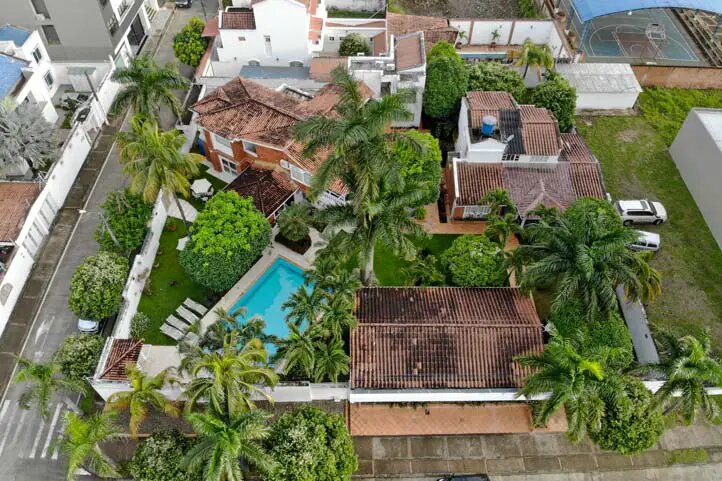
Palmira offers a variety of attractions for travelers who want to experience the culture, nature and history of this region. Palmira is known as “La Villa de las Palmas” because the city’s streets and squares are adorned with many palm trees. The city is also a center of large sugar mills, giving it an important role in the country’s economy.
Palmira has something for every taste and budget. Aviation enthusiasts can visit the Fenix Air Museum, which houses a collection of more than 100 historic and modern aircraft, as well as simulators and interactive exhibits. Those who prefer contact with nature can enjoy the Nirvana Nature Reserve, an ecological paradise where one can observe more than 200 species of birds, butterflies and orchids, as well as hiking, camping and mountain biking.
In my opinion, Palmira is an ideal destination for travelers who want to have an authentic and diverse experience in Colombia. It is a welcoming, lively and dynamic city that invites you to discover its charms and enjoy its people.
Facts about Palmira
Palmira is a city in southwestern Colombia, in the Valle del Cauca department. It has about 320,000 inhabitants and lies at an altitude of about 1,000 meters above sea level. The city has a tropical savannah climate with warm temperatures all year round.
Founded in 1824, Palmira is one of the most important cities in the department. The city is known for its agricultural production, especially sugar cane, coffee and fruit. Several industries are also located here, including food processing, textiles and metallurgy.
Located just 28 kilometers east of Cali, the capital of Valle del Cauca, Palmira is an important economic and cultural center in the region. Its strategic location and diversified economy make it an attractive destination for companies and investors looking to establish themselves in Colombia. With a rich history and a vibrant present, Palmira is a city worth exploring and getting to know.
Things to see and do in Palmira
Here are some of the sights and activities in Palmira that you cannot miss:
Fenix Air Museum
If you’re passionate about aviation, don’t miss the Museo Aereo Fenix, the only museum of its kind in Colombia. Here you can admire a collection of more than 30 historic aircraft, from biplanes to military jets, as well as engines, propellers, instruments and models. You can also learn about the history of Colombian and world aviation through photographs, documents, and objects. The museum is located at Alfonso Bonilla Aragón International Airport and admission costs 10,000 pesos (US$2) per person.
Nirvana Nature Reserve
If you want to connect with nature and enjoy spectacular scenery, Nirvana Nature Reserve is the perfect place for you. Located 20 minutes from Palmira, the reserve has over 200 hectares of native forest where you can see a wide variety of flora and fauna including orchids, butterflies, hummingbirds and monkeys.
You can also engage in activities such as hiking, mountain biking and camping. Admission to the reserve is 15,000 pesos (US$3) per person and includes access to the hiking trails and botanical gardens.
Hacienda El Paraíso
Literature and history lovers shouldn’t miss Hacienda El Paraíso, setting of the famous novel María by Colombian writer Jorge Isaacs. Declared a National Monument, the hacienda was built in the 19th century and has retained its colonial architecture and original furnishings.
Here you can visit the halls, patios and gardens and learn about the life and work of the writer, as well as the social and economic aspects of the time. The hacienda is 40 minutes from Palmira and admission is 12,000 pesos (US$2.65) per person.
Best time to visit Palmira
The best time to visit Palmira depends on the interests and preferences of each traveler, but the months of December to March can be considered the most favorable. During this period, the weather is dry and sunny, so you can enjoy outdoor activities such as hiking and cycling.
Events in Palmira
Palmira offers a wide variety of entertainment, culture and tourism. Some events in Palmira are:
The National Agricultural Fair
The National Agricultural Fair is held every year in the month of August. This fair showcases the country’s best products, competitions, conferences, exhibitions and music events.
The Ricardo Nieto International Art and Culture Festival
The cultural festival takes place every year and aims to promote and disseminate the various artistic and cultural expressions of Palmira and around the world. This festival presents theatre, dance, music, cinema, literature and visual arts.
The Petronio Alvarez Pacific Music Festival
The music festival takes place every November and pays homage to the Afro-Colombian culture of the Pacific. This festival brings together the best representatives of the region’s traditional music, such as the currulao, the bunde, the abozao and the marimba.
The Carnaval de Blancos y Negros (Carnival of the Blacks and Whites)
Celebrated on January 5th and 6th every year, Carnival is a tradition that originated in southern Colombia. At this carnival, the face and body are painted black and white as a symbol of integration and joy.
Nightlife in Palmira
Here are some recommendations for nightlife in Palmira:
Noa disco club
Noa Club is one of the most popular nightclubs in the city, where you can dance to the rhythms of salsa, reggaeton and other styles of music. The atmosphere is modern and cosy, with good lighting and sound. Various events and promotions are also offered every week.
Juan Pachanga Disco Club
Another option for salsa lovers, with a large dance floor and Caribbean-inspired decor. There is a varied menu of drinks and cocktails, as well as live shows and competitions.
VIP discotheque Palo de Mango
An ideal place for those who prefer crossover music, with current hits and classics from all times. The atmosphere is youthful and fun, with huge screens and special effects. Karaoke, raffles and raffles are also offered.
Alkimia
Alkimia is a rock bar. It offers an innovative and alternative offer. It has a small outdoor terrace and a VIP area.
Typical food in Palmira
If you are looking for the best and most emblematic places to eat in Palmira, here are some options:
Bakery Leal
Leal Bakery is one of the most traditional and famous bakeries in Palmira. It offers a wide range of breads, cakes, desserts and drinks. Their specialties are pandebonos and almojábanas. An ideal place to have breakfast or enjoy a snack with a good coffee.
Saraguey Pub Restaurant
If you like Peruvian and Italian food, this is the place for you. Here you can taste delicious dishes such as ceviche, lomo saltado, pasta with pesto, pizza and more. The atmosphere is cozy and the service is excellent. There is also a menu of cocktails and beers to accompany the meal.
Tropicarlos
This quick service restaurant offers hamburgers, hot dogs, sausages and other delicacies. The portions are generous and the taste is unique. It’s the perfect place to eat with friends or family.
Restaurant Dona Pastora
A modern fusion restaurant that stands out for its quality and creativity. Here you will find dishes such as rice with chicken curry, grilled fish with passion fruit sauce, quinoa salad with avocado and much more. The place is elegant and cosy, ideal for a special occasion.
Restaurant Casa Barco
If you like seafood and Colombian food, you should visit this restaurant. Here you can enjoy dishes such as seafood casserole, rice with coconut and shrimp, fish stew and more. The restaurant is decorated in a maritime style.
Wings & Beer Morelia Alitas + Rock + Sports
An American and Mexican restaurant specializing in chicken wings with a variety of sauces and flavors. There are also nachos, tacos, burritos and much more. The venue offers a rock and sports atmosphere with screens for the games and live music.
Las Cordobas
A typical Palmira restaurant that offers you the best of local gastronomy. There are dishes like marranitas, aborrajados and much more. The restaurant is furnished in a simple and familiar way, with old pictures of the city.
Accommodation in Palmira
Here are some recommendations for your stay in Palmira:
Hotel Boutique Los Remansos
Calle 37ª # 27-58
CLICK HERE TO GET THE BEST RATES FOR LOS REMANSOS
The rooms in the hotel are equipped with air conditioning, desk, flat screen TV, private bathroom, bed linen, towels and terrace with garden view.
The Clover Home
Calle 26A # 19-64
CLICK HERE FOR THE BEST PRICES ON KLEE
Apartments at The Clover Home have free WiFi and smart TVs with internet access. The bathrooms come with a hydromassage shower and the kitchens have an oven, microwave, coffee maker and blender.
How to get to Palmira
If you want to travel to Palmira from Bogota or a nearby major city, you have several options:
By plane
The first option is to travel by plane. There are direct flights from El Dorado Airport in Bogota to Alfonso Bonilla Aragon Airport in Palmira, which take about an hour. Some of the airlines that offer this service are Avianca, LATAM and EasyFly.
Ticket prices vary by season, demand, and lead time, but you can find deals from 100,000 pesos (US$20) each way.
The airlines that offer connections are as follows:
By bus
The second option is to travel by bus. There are several bus companies that serve the route from Bogotá to Palmira such as Expreso Palmira, Expreso Bolivariano and Velotax. Buses depart from the Salitre and Sur terminals in Bogotá and arrive at the Palmira terminal.
Travel time is around 10 hours depending on traffic and bus stops. Fares vary depending on the season, demand, and the type of service you choose, but you can find options starting at 79,000 pesos ($17) each way. An advantage of traveling by bus is that you can enjoy the scenery and choose the schedule that suits you best. A disadvantage is that the journey takes longer and can be uncomfortable or tiring.
The easiest way to buy tickets is via Pinbus.
By car
The third option is to travel by private or shared car. If you have your own vehicle or want to rent one, you can drive from Bogotá to Palmira via the Panamericana. The travel time is similar to that of the bus, but depends heavily on the traffic and road conditions.
The cost of the trip depends on your vehicle’s fuel consumption and tolls, which total around 80,000 pesos (US$17) each way. An advantage of traveling by car is that you have more freedom and flexibility to make stops or detours. A downside is that you have to pay attention to road safety and vehicle maintenance.
The following companies rent cars in Colombia:
- Hertz
- Avis
- ABC
How to move around Palmira
If you want to visit Palmira, you should know that there are several ways to get around the city and its surroundings. Here is a brief description of the available means of transport:
Bus
The bus is the most common and cheapest means of transport. There are several companies that offer urban and inter-municipal routes. You can check timetables and fares on each company’s website or at the ticket offices in the terminals.
Taxi
This is a faster and more convenient, but also more expensive option. You can take a taxi on the street, by phone or through a mobile app. There is a minimum rate and a surcharge for each kilometer driven.
Bicycle
It is an ecological and healthy alternative. Palmira has a network of cycle paths that connect different parts of the city. There is also a public bike system called Palmibici, where you can use a bike for a set amount of time for a small fee.
Motorcycle
Motorcycling is an agile and practical means of transport, but it also involves more risks. If you have your own motorcycle, you must comply with traffic and safety regulations. Otherwise, you can rent a motorbike for a few hours or days in some approved establishments.
Automobile
This is the most convenient and safest way to travel. If you have your own car you will have to pay for taxes, tolls, parking and fuel. Otherwise, you can rent a car from one of the agencies in the city.
Colombia Travel Guides
Here you will find travel guides for the most popular regions in Colombia, which we have put together during our extensive travels around the country.
- Colombia Travel Guide
- Bogota Colombia Travel Guide
- Medellin Colombia Travel Guide
- Cartagena Colombia Travel Guide
- Santa Marta Colombia Travel Guide
- Cali Colombia Travel Guide
- Coffee Triangle Colombia Travel Guide
- Barranquilla Colombia Travel Guide
- La Guajira Colombia Travel Guide
- Tayrona Park Colombia Travel Guide
- Palomino Colombia Travel Guide
- San Andres Island Colombia Travel Guide
- Providencia Island Colombia Travel Guide
- Casanare Llanos Colombia Travel Guide
- Amazonas Colombia Travel Guide
- Chocó Colombia Travel Guide
- Santander Colombia Travel Guide
- Boyaca Colombia Travel Guide
Travel Guides to Colombia’s Small Towns
Here you will find travel guides for less popular destinations in Colombia. Some of these destinations are even real insider tips and not even known to the Colombians as travel destinations.
- Aguachica Colombia Travel Guide
- Arauca Colombia Travel Guide
- Armenia Colombia Travel Guide
- Barrancabermeja Colombia Travel Guide
- Bucaramanga Colombia Travel Guide
- Buenaventura Colombia Travel Guide
- Canyon Chicamocha Colombia Travel Guide
- El Carmen de Bolivar Colombia Travel Guide
- Caucasia Colombia Travel Guide
- Cucuta Colombia Travel Guide
- Florencia Colombia Travel Guide
- Ibagué Colombia Travel Guide
- Inirida Colombia Travel Guide
- Ipiales Colombia Travel Guide
- Magangue Colombia Travel Guide
- Manizales Colombia Travel Guide
- Mitu Colombia Travel Guide
- Mocoa Colombia Travel Guide
- Monteria Colombia Travel Guide
- Neiva Colombia Travel Guide
- Palmira Colombia Travel Guide
- Pasto Colombia Travel Guide
- Pereira Colombia Travel Guide
- Popayan Colombia Travel Guide
- Puerto Asis Colombia Travel Guide
- Puerto Carreno Colombia Travel Guide
- Quibdo Colombia Travel Guide
- Riohacha Colombia Travel Guide
- San José del Guaviare Colombia Travel Guide
- Sincelejo Colombia Travel Guide
- Sogamoso Colombia Travel Guide
- Tulua Colombia Travel Guide
- Tumaco Colombia Travel Guide
- Tunja Colombia Travel Guide
- Turbo Colombia Travel Guide
- Valledupar Colombia Travel Guide
- Villa de Leyva Colombia Travel Guide
- Villavicencio Colombia Travel Guide
- Yopal Colombia Travel Guide
