
Updated on 03/13/2024
Dear readers
My name is Frank and I run a tour operator in Bogota, specializing in custom-made and Colombia luxury travel.
At the end of this guide you will find a list of many other helpful travel guides for Colombia.
Content
Introduction
Located in the Magdalena department and as part of the sacred areas of the Sierra Nevada de Santa Marta, here we find one of the most magical places in all of Colombia.The indigenous Tairona tribe once inhabited the Tayrona National Park. Their culture has now died out. However, the descendants still live in the Sierra Nevada de Santa Marta. The tribes of the Kankuamo, Kogui, Wiwa and the Arhuaco are still responsible for the protection and organization of the sacred areas in the park.
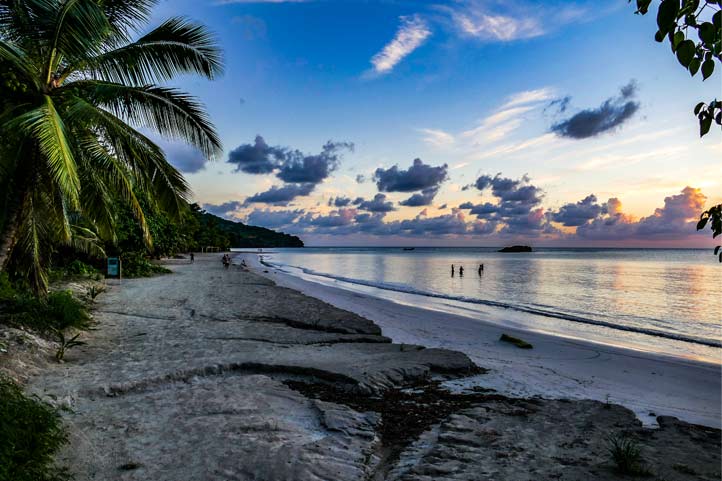
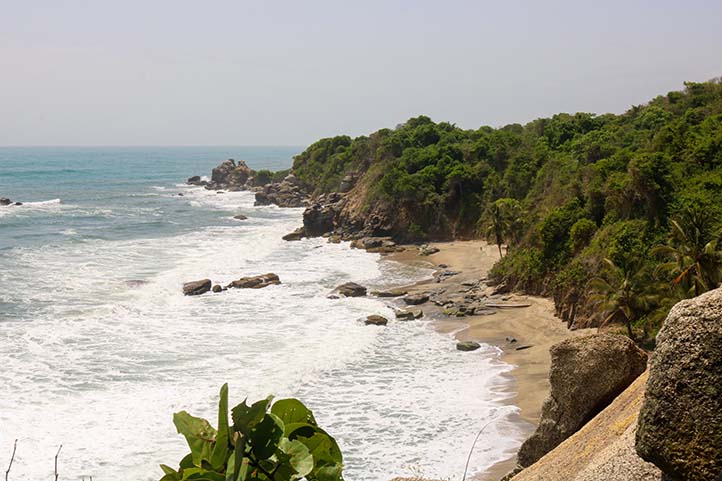
The Tayrona Park is characterized by its incredible beaches, its green landscape and of course the imposing sea. In 1964 the 15,000 hectares were proclaimed as one of the national parks of Colombia. The temperature in the park is usually between 25 and 38 ° Celsius and the terrain extends up to 900 meters above sea level.
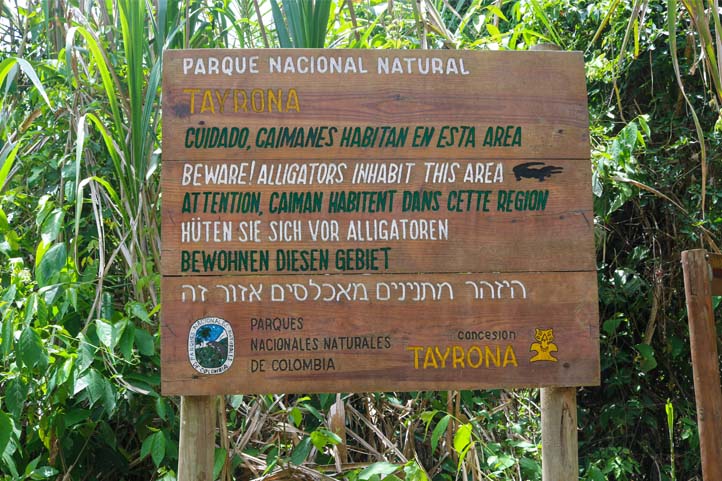
The surrounding area is also home to a large and diverse amount of fauna. You can find animals such as sloths, jaguars, anteaters, coniferous caimans and birds such as the Garrapatero falcon. Although the park is home to many animals, sightings are rather sparse. However, if you see animals during a visit, you should not approach them.
How do you get to Tayrona National Park?
The closest city is Santa Marta. From there you can easily get to one of the park entrances.
Entrance Palagana / Neguanje
Opening times: 7:00 a.m. to 2:00 p.m. and the outlet between 4:00 p.m. and 5:00 p.m.
This is the closest entrance from Santa Marta and is only 28 kilometers from the city. From here you can walk to Chengue and Gairaca beaches.
To get to this entrance, all you have to do is take the Caribbean highway to La Guajira. The journey time is around 1 hour. If you want to explore more, you can take a boat to Playa Cristal or Playa Cinto.
Entrance Calabazo
Opening times: entry from 7:00 a.m. to 11:00 a.m. and exit between 1:00 p.m. and 3:00 p.m.
It’s not the most used entrance, but it’s the most physically demanding. It is located about 25 kilometers from Santa Marta. From here you have to do a strenuous hike to get to Cabo San Juan and Playa Brava. Note: If you opt for the Calabozo entrance, you should be in good physical condition. The hike is strenuous due to the heat. You should take water with you and have appropriate clothing ready.
In the past, this entrance was known to be a point of access to Pueblito. This is one of the ancient sites where the Tairona people lived. In 2019, however, the indigenous communities asked to protect the sacred areas. Visits are therefore no longer permitted.
Zaino entrance
Opening times: entry from 7:00 a.m. to 12:00 p.m. and exit between 2:00 p.m. and 5:00 p.m.
Zaino is the park’s busiest entrance. It is located around 35 kilometers from Santa Marta. Most of the beaches can be reached from this entrance. For example Canaveral, Arrecife, the famous nudist beach and other places like Cabo San Juan.
Prices
Like all other Colombian national parks, Tayrona also charges an entrance fee under certain conditions.
| Category | Low Season | High Season |
|---|---|---|
| National or foreign resident in Colombia or member of the CAN (from 6 to 25 years old) | $ 21,000 (5 USD) | $ 23,500 (6 USD) |
| National adult, member of the CAN or foreign resident in Colombia (over 25 years old) | $ 28,000 (7 USD) | $ 33,000 (8 USD) |
| Foreigner not resident in Colombia or member of the CAN | $ 62,000 (15 USD) | $ 73,500 (18.5 USD) |
| Born in Santa Marta (from 6 to 25 years old) | $ 10,500 (2.5 USD) | $ 23,500 (6 USD) |
| Born in Santa Marta (over 25 years old) | $ 13,500 (3,5 USD) | $ 33,000 (8 USD) |
Price per vehicle
| Type of Vehicle | Low Season |
|---|---|
| Car | $ 17,500 (4 USD) |
| Van | $ 42,500 (10 USD) |
| Bus-Minibus | $89,500 (22 USD) |
| Motorcycle | $11,500 ( 2.5 USD) |
What can you do in Tayrona National Park?
Beaches
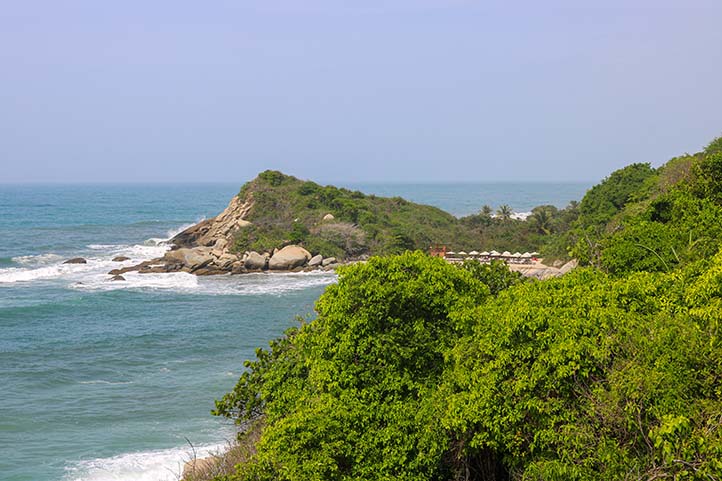
Undoubtedly one of the biggest attractions of the place are the beaches, some of the most iconic are:
Cabo de San Juan
Cabo de San Juan is without a doubt the most iconic place in Tayrona Park. This beach is surrounded by beautiful vegetation. To get here, a 2-3 hour walk is necessary. For Cabo de San Juan we recommend using the Zaino entrance. The beach is perfect for swimming and the sea is usually calm here. However, you should always find out about the current conditions on site.
This beach is quite crowded, especially during weekends, bank holidays and vacation weeks. There is also the possibility of camping, sleeping in hammocks or huts.
Cañaveral
It’s another beach that can be accessed through the Zaino entrance. Cañaveral Beach is one of the most dangerous places in the park and, ironically, one of the most popular places to stay. The waves and currents are strong, so life is in danger. There is a reef and coral sector on this beach that has hardly been explored. This is because of the dangerous waves. The Tayrona Ecohabs are also located here. (Later more).
La Piscina
The Piscina is one of the smallest beaches in the park. We recommend it anyway as it is ideal for swimming. The beach is surrounded by rocks and these block the strong waves of the ocean. Because of the rocks, this place literally looks like a swimming pool. This beach is located between Cabo de San Juan and Arrecife.
Arrecife
Arrecife is the largest beach and also the most dangerous beach in Tayrona Park. It’s not only popular because of its beauty, but also because it’s one of the best places to stay in the park (more on that later). There is a restaurant, camping area and cabins on this beach.
It owes its name to the large number of reefs that are in the water. This beach can also be reached through the Zaino entrance. Due to the currents in the sea, there is danger to life at this point. So far, more than 200 people have died at Arrecife.
Playa Brava
Playa Brava is one of the park’s under-visited beaches. This can be reached via the entrance from Calabazo. The way to this beach, however, is exhausting. The beach itself is perfect for relaxing or walking and there is also a restaurant.
There is also the possibility of staying in bungalows here (more information in the section “Where to stay”). The beach is not suitable for swimming as the waves and currents are strong.
Boca del Saco or nudist beach
This is one of the most famous beaches in Tayrona Park and also known to many as a nudist beach. In reality, however, Boca del Saco is not an official nudist beach. However, since this is not very frequented, it is regularly used by nudists. The beach is a bit remote and can be reached through the Zaino or Calabazo entrances. However, you should be prepared for a 3-4 hour hike, but you can also rent a horse and guides in the park.
However, there have been no reports to date that nudists have also ridden around the park naked on horses. This place doesn’t have a restaurant but it is only 10 minutes from Cabo de San Juan so if you are hungry you can go there. It is important to mention that you cannot swim in the sea here as the waves are quite high and dangerous.
Palmarito
A visit to this beach is generally not recommended as it is a bit complicated to get to. The signage is difficult to see or does not exist. There are no places to eat or sleep on this beach. The waves and the current are also classified as dangerous on this beach.
Bahia Cinto
This beach is considered to be one of the quietest and least frequented beaches in all of Tayrona Park. Thanks to the beautiful landscape and relaxing conditions, many visitors stay overnight in the huts available on site. This beach can only be reached by boat. Trips are offered from Taganga or Neguanje. When visiting, you should take some provisions with you.
Playa Cristal
This beach can only be reached by boat, it is characterized by its beauty and tranquility. You can swim, dive or snorkel on this beach. There is also a restaurant here. Boats can be found in Taganga and Neguanje.
Wachaquita
Wachaquita is not a particularly well-known beach in the park. However, the waves and currents are not very strong and it is suitable for swimming. You can get to the beach from Neguanje.
More Attractions
Chayrama Museum
This museum is located on Cañaveral Beach. Archaeological objects are exhibited on two floors. These were recovered from Pueblito and other local ancestral sites.
The way of the nine stones
To do this tour you have to enter the park through the Zaino entrance. The tour lasts between 30 and 70 minutes (the route can also be shortened). Through small holes in the stones one can observe various natural and symbolic elements that were important for the Tayrona culture. The tour is not strenuous.
Chairama village
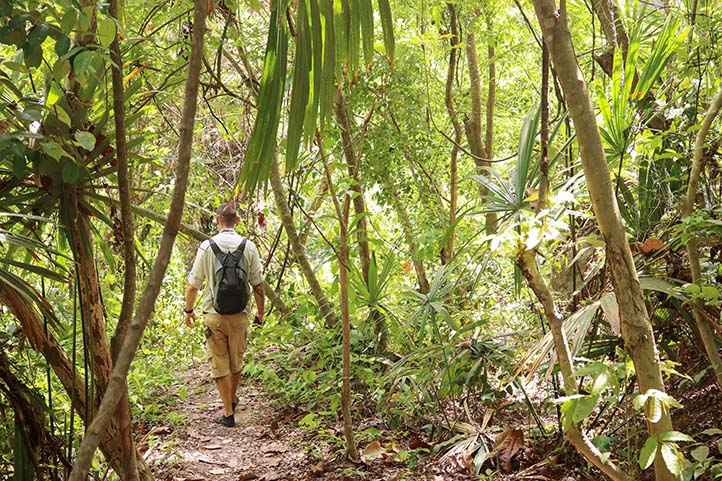
Unfortunately, the village has not been open to visitors since 2019, as the indigenous communities living in the Sierra Nevada de Santa Marta no longer wish to enter this sacred area. Pueblito has been one of the main attractions of Tayrona Park for many years. This site is a sacred place where the indigenous community known as the Taironas lived. This place is surrounded by houses and ancient temples.
Like Pueblito, other holy sites such as Chengue, Los Naranjos and the east side of the Bahia Concha can no longer be visited.
Recommendations for visiting Tayrona Park and its tourist attractions
A yellow fever vaccination has been recommended since 2017.
- Due to the health emergency caused by COVID-19, the capacity of the park has been reduced to currently 3,535 people per day.
- Wear comfortable, quick-drying clothes and closed-toe shoes.
- Bring water and drink enough.
- On some beaches there is danger to life. Don’t be reckless.
- The marked paths should not be left.
- Telephones sometimes have no connection in the park.
- The infrastructure in the park is limited. Charging a cell phone could be tricky.
- Protect yourself from insect bites. The park is a nature area.
Tayrona Park tours
There are various providers in the region who offer various tours.
Helicopter sightseeing flight
Website: https://www.parquetayrona.com/es/tour/vuelo-en-helicoptero-parque-tayrona/
Price: $ 11,099,000 per person (approx USD 3881) This is a unique experience. You fly for 90 minutes and have the opportunity to admire Tayrona Park from the air. You later land on the Don Diego River. On the way back there is a stopover in the Mamancana Private Game Reserve, a private nature reserve. A stay and lunch is the order of the day.
The maximum number of passengers is limited to 5 people.
Yacht tour
Website: https://www.parquetayrona.com/es/tour/tour-parque-tayrona-en-yate/
During this tour you will visit various beaches and have the opportunity to visit some of the most beautiful beaches in the park by yacht. Start is on Taganga beach. Playa Grande, Granate, Concha Bay, Chengue and Cinto Beach are all visited.
Where to stay in Tayrona National Park
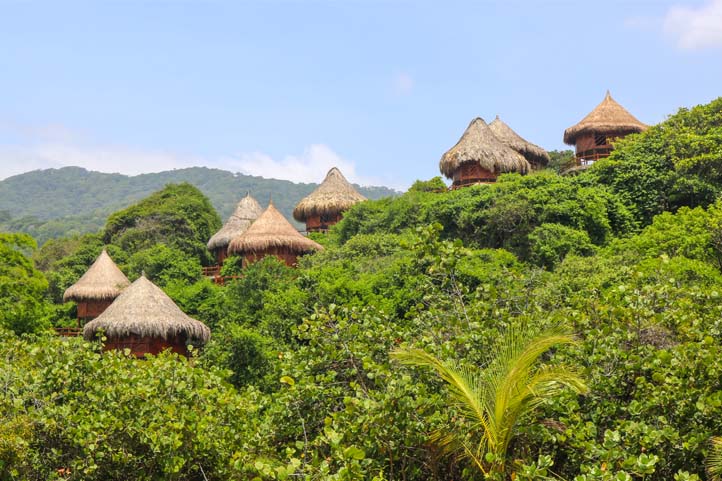
Without a doubt, one of the best options is to stay overnight within the park. But you should always keep in mind that the park is one of the most visited destinations in Colombia. You should therefore plan with sufficient foresight.
Discover the best hotel and lodging options in our blog: 11 Best Hotels Near Tayrona National Natural Park
Nightlife
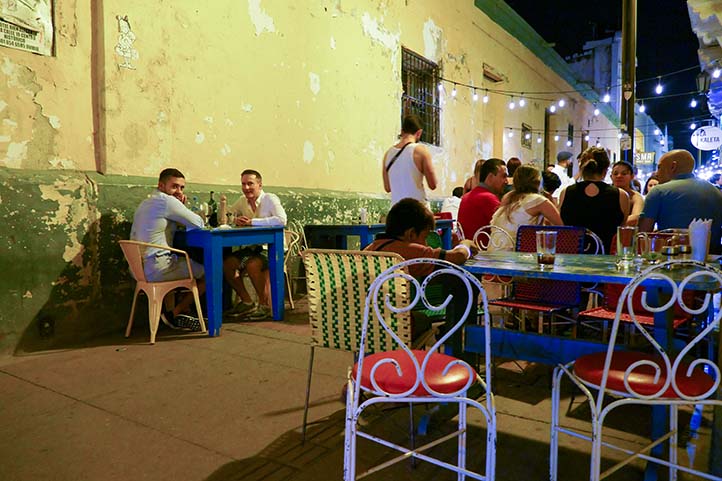
There are no exit options within the park. So if you want to party, you should stay in Santa Marta. There are also strict rules of conduct in the park. You are not allowed to introduce or consume drugs in the park. You are also not allowed to bring alcohol and you are not allowed to get drunk inside the park. Any violation of the park rules will be expelled from Tayrona Park.
For more information about Santa Marta, I refer to our Santa Marta travel guide.
Where can you eat in Tayrona National Park?
There are numerous restaurants in various locations within the park. There are restaurants on the following beaches:
- Bahia Concha: No accommodation, just a restaurant and several food stands.
- Neguanje: At the entrance there is a restaurant and informal vendors.
- Playa Brava: accommodation and restaurant.
- Cabo San Juan and Nudist Beach: Cabo San Juan has one of the best restaurants in the park.
10 minutes from the nudist beach.
- Arrecife: accommodation and restaurant.
- Canaveral Beach: Accommodation and restaurant.
Transportation in Tayrona National Park
Boat transport
Website: https://www.parquetayrona.com/es/tour/traslados-en-lancha/
Some beaches can only be reached by boat. From Taganga boats go to various points in the park:
Taganga – playa cristal
Price: $ 100,000 per person (about USD 28)
10:00 a.m. to 4:30 p.m.
Taganga – Cinto Bay
Price: $ 125,000 per person (approx USD 34)
10:00 a.m. to 4:30 p.m.
Taganga – Cabo San Juan
Price: $ 125,000 per person (approx USD 34)
10:00 a.m. to 5:00 p.m.
Cabo San Juan – Cinto – or Cabo San Juan – Taganga
Price: $ 75,000 per person (approx USD 21)
When in Cabo San Juan you have the option to drive to another beach like Cinto Bay or drive straight out of the park and into Taganga.
Private tour
Price: $ 2,230,000
A private tour is flexible (up to 18 passengers).
Transport on horseback
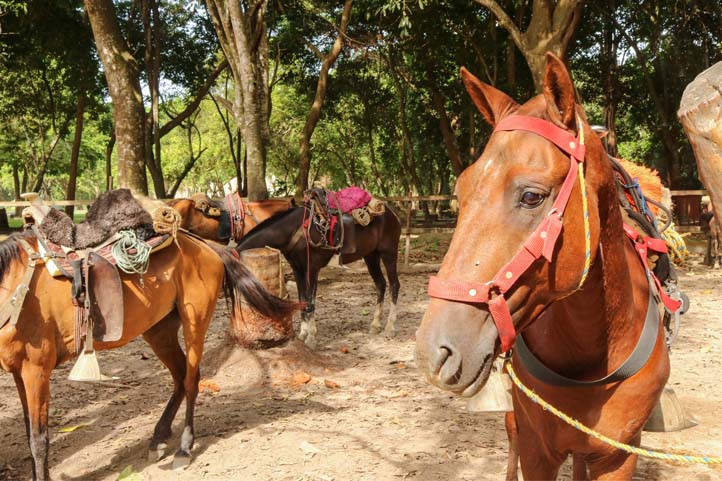
There are several special trails to ride on in Tayrona. The park can also provide guides on request. However, it is important to know that there were cases of malnutrition and abuse of horses in 2019. Therefore, it is better to avoid this mode of transport.
The best time to visit Tayrona National Park
The answer depends on what you are looking for. If you want to avoid the crowds and have more chances of finding accommodation, you might want to go during the low season, which is from September to November. This is also the rainiest period, so be prepared for some showers and muddy trails.
If you prefer sunny and dry weather, you should visit Tayrona National Park from January to March, which is the peak season. However, this also means that the park will be very busy, especially during holidays and weekends. You will need to book your accommodation in advance and arrive early to secure your spot on the beach.
Another good option is to visit Tayrona National Park in February or March, when the weather is still nice but the crowds are smaller. This way, you can enjoy the best of both worlds: clear skies and peaceful beaches.
No matter when you decide to go, Tayrona National Park will amaze you with its natural beauty and cultural heritage. Just remember to respect the environment and the indigenous communities that live there.
When and Why is Tayrona National Park Closed?
Tayrona National Park is not open all year round. There are certain times when the park is closed to visitors for ecological and cultural reasons. These are the dates when you cannot visit Tayrona Park:
- February 1st to February 15th: This is the time when the indigenous communities of the Sierra Nevada de Santa Marta perform their ancestral rituals to cleanse and protect the park. They believe that this is necessary to maintain the balance between nature and humans.
- June 1st to June 15th: This is another period of spiritual cleansing and restoration for the park, following the same principles as the February closure.
- October 19th to November 2nd: This is the third and final closure of the year, coinciding with the rainy season and the celebration of the Day of the Dead. The indigenous people honor their ancestors and ask for their guidance and protection.
During these closures, no tourists or locals are allowed to enter or stay in the park. The only exception is for authorized researchers or journalists who have a special permit from Parques Nacionales Naturales de Colombia, the entity that manages the park.
The closures are part of an agreement between Parques Nacionales Naturales de Colombia and the four indigenous towns of the Sierra Nevada de Santa Marta (Kogui, Wiwa, Arhuaco, and Kankuamo). They respect their ancestral rights and traditions, as well as their role as guardians of the park.
It is important to plan your visit to Tayrona National Park according to these dates, as they are not negotiable or flexible. If you try to enter the park during these times, you will be denied access and may face legal consequences. You can check the official website of Parques Nacionales Naturales de Colombia for more information and updates on the closures.
What I like and what not about Tayrona National Park
Tayrona Park is a unique habitat and just the beginning of the ascent of the highest coastal area in the world. The beautiful natural surroundings as well as the fantastic beaches offer a unique experience.
Sometimes there are weaknesses in the administration of the park, which affects various areas.
Colombia Travel Guides
Here you will find travel guides for the most popular regions in Colombia, which we have put together during our extensive travels around the country.
- Colombia Travel Guide
- Bogota Colombia Travel Guide
- Medellin Colombia Travel Guide
- Cartagena Colombia Travel Guide
- Santa Marta Colombia Travel Guide
- Cali Colombia Travel Guide
- Coffee Triangle Colombia Travel Guide
- Barranquilla Colombia Travel Guide
- La Guajira Colombia Travel Guide
- Tayrona Park Colombia Travel Guide
- Palomino Colombia Travel Guide
- San Andres Island Colombia Travel Guide
- Providencia Island Colombia Travel Guide
- Casanare Llanos Colombia Travel Guide
- Amazonas Colombia Travel Guide
- Chocó Colombia Travel Guide
- Santander Colombia Travel Guide
- Boyaca Colombia Travel Guide
Travel Guides to Colombia’s Small Towns
Here you will find travel guides for less popular destinations in Colombia. Some of these destinations are even real insider tips and not even known to the Colombians as travel destinations.
- Aguachica Colombia Travel Guide
- Arauca Colombia Travel Guide
- Armenia Colombia Travel Guide
- Barrancabermeja Colombia Travel Guide
- Bucaramanga Colombia Travel Guide
- Buenaventura Colombia Travel Guide
- Canyon Chicamocha Colombia Travel Guide
- El Carmen de Bolivar Colombia Travel Guide
- Caucasia Colombia Travel Guide
- Cucuta Colombia Travel Guide
- Florencia Colombia Travel Guide
- Ibagué Colombia Travel Guide
- Inirida Colombia Travel Guide
- Ipiales Colombia Travel Guide
- Magangue Colombia Travel Guide
- Manizales Colombia Travel Guide
- Mitu Colombia Travel Guide
- Mocoa Colombia Travel Guide
- Monteria Colombia Travel Guide
- Neiva Colombia Travel Guide
- Palmira Colombia Travel Guide
- Pasto Colombia Travel Guide
- Pereira Colombia Travel Guide
- Popayan Colombia Travel Guide
- Puerto Asis Colombia Travel Guide
- Puerto Carreno Colombia Travel Guide
- Quibdo Colombia Travel Guide
- Riohacha Colombia Travel Guide
- San José del Guaviare Colombia Travel Guide
- Sincelejo Colombia Travel Guide
- Sogamoso Colombia Travel Guide
- Tulua Colombia Travel Guide
- Tumaco Colombia Travel Guide
- Tunja Colombia Travel Guide
- Turbo Colombia Travel Guide
- Valledupar Colombia Travel Guide
- Villa de Leyva Colombia Travel Guide
- Villavicencio Colombia Travel Guide
- Yopal Colombia Travel Guide
