
Updated on 03/12/2024
Dear readers
My name is Frank and I run a tour operator in Bogota, specializing in custom-made and Colombia luxury travel.
At the end of this guide you will find a useful Colombia travel guide.
Content
Why visit Tuluá?
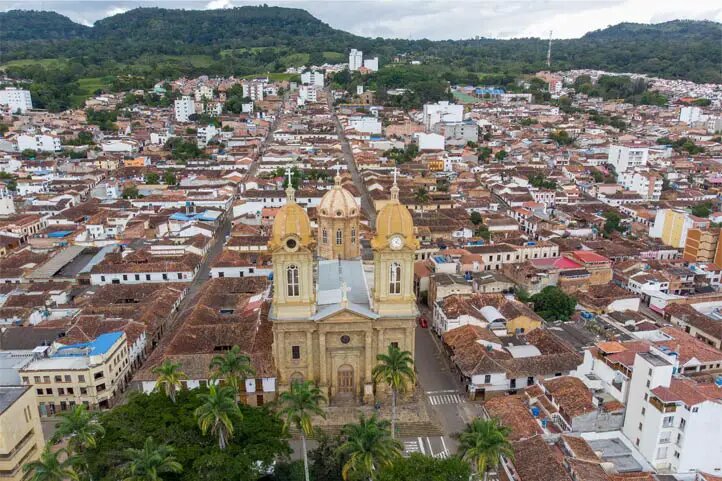
Tuluá is a Colombian city and perfect destination for travelers who want to discover the culture, nature and gastronomy of Valle del Cauca.
Due to its geographical location in the center of the department and the warmth of its people, Tuluá is also called the city of the heart. The climate is warm and pleasant all year round, allowing you to enjoy the green landscapes and crystal-clear rivers.
Tuluá is an ideal destination for lovers of gastronomy. There is a wide range of typical dishes. Some of the most popular dishes include sancocho de gallina, empanadas de pipián, pandebono and manjar blanco.
In my opinion, Tuluá is an excellent destination for anyone interested in history, culture and nature.
Data about Tuluá
Tuluá is located in the Department of Valle del Cauca in southwestern Colombia and has an estimated population of 230,000.
This beautiful city lies in the valley of the Cauca River and is surrounded by the central and western mountain ranges of the Andes. The city is at an altitude of 960 meters above sea level, which makes it a comfortable place to live and visit. Tuluá has a tropical savannah climate with an average temperature of 24°C.
Tuluá was founded on August 24, 1639 by Captain Juan de Lemos y Aguirre, who named it San Bartolomé de Tuluá. Although not a capital, Tuluá is an important commercial and industrial center in the region. The economy is mainly based on agriculture, with sugar cane growing being the most important industry. Other important crops in the region are coffee, plantains, bananas and avocados. The city also has a growing manufacturing industry producing textiles, shoes and leather goods.
Tourist attractions and activities of Tuluá
Tuluá is known for its natural, cultural and gastronomic wealth. If you’re planning a visit to Tuluá, here are some places and things to do that you shouldn’t miss.
El Vínculo Regional Natural Park
A haven of biodiversity, El Vinculo is home to more than 200 species of birds, 40 species of mammals and 30 species of reptiles.
To reach the park from Tuluá, you can take an intercommunal bus that will drop you off in the village of El Vínculo, about 20 minutes from the city center. The fare is about 3,000 pesos (US$0.6) per person, and buses depart from the transit terminal.
Once in El Vinculo, walk about 10 minutes along a paved road to the park entrance where you will be met by park rangers. Admission is 5,000 pesos (US$1) per person and gives you access to the entire park, which covers 52 hectares.
Church of San Bartolomé Apostol
This imposing neo-Gothic church dates from the 19th century and is the city’s main Catholic church. Its interior is decorated with stained glass windows, paintings and sculptures depicting the life of Saint Bartholomew. You can also admire the 50-meter-high tower and the pipe organ.
Plaza Civica Boyacá
This square is the historical and cultural center of Tuluá. The City Palace, the City Theater, the Heroes’ Monument and the City Library are located here. An ideal place to stroll, take photos and learn about the history of the city.
Typical gastronomy
You cannot leave Tuluá without trying the delicious gastronomy that combines the flavors of the Valle del Cauca with those of the Andean region. Recommended dishes include sancocho de gallina (chicken stew), pandebono, and champús.
Best time to visit Tuluá
The best time to visit Tuluá depends on each traveller’s preference, but the driest and coolest months are January, June and July. In these months there is less rainfall and the temperatures are more pleasant than in the other months of the year. Also, in June you can enjoy the feast of the patron saint San Juan Bautista and in July the Tuluá Fair. These are some of the reasons why you should choose this time of year to visit Tuluá and its tourist, cultural and gastronomic attractions.
Events in Tulua
Tuluá is characterized by its cultural and festive richness. Various events are held throughout the year that showcase the joy and talent of the residents and the diversity of the city’s artistic and gastronomic expressions. Some of the most important events in Tuluá are:
The Tuluá Fair
The Tulua Fair is the symbol of the city and has been held in June since 1954. It is a commercial showcase that brings together the main national and international agro-industrial entrepreneurs, offering an overview of technology, livestock, agriculture and gastronomy. In addition, cultural, sporting and leisure activities are offered, such as B. Horse riding, the vaquería, the Andean music festival and popular rule.
The National Lulo Festival
It is an event held in August to celebrate Tuluá’s signature drink, made with lulo, ice and sugar. This festival features competitions for the best lulada, artistic performances, gastronomic and craft exhibitions, and the election of the lulada queen.
The National Bolero Festival
The nearby community of Caicedonia, about 90 minutes from Tuluá, hosts the National Bolero Festival. This is an event held in November to honor the Bolero music genre and its performers. At this festival, nationally and internationally known singers and groups perform the classics of the bolero. There are also singing and dancing competitions and the bolero singer of the year.
Christmas
This event takes place in December to celebrate the Christmas season with cultural, religious and recreational activities. This festival includes novenas, concerts, processions, fairy lights and fireworks. There are also nativity competitions, Christmas carols and Christmas decorations.
Nightlife in Tulua
Here are some recommendations for nightlife in Tulua:
Yambu discotheque
Yambu is one of the most popular and most visited places in Tuluá, where you can dance to the rhythms of salsa, merengue, reggaeton and other music genres. The atmosphere is cheerful and festive, with good lighting and sound. There is also a wide range of drinks and cocktails for every taste.
Fonda y Rumba Discoteca Bar
If you prefer a traditional and folklore venue, this is the ideal place for you. Here you can enjoy typical Colombian music such as cumbia, vallenato, porro and bambuco. The interior of the place is rustic and cozy, with wooden tables and straw hats. A variety of typical dishes and drinks such as beer, aguardiente and rum are also offered.
Discotheque El Antillano
El Antillano is the most popular nightclub in Tuluá. Here you can dance to the sounds of tropical music such as salsa, merengue, bachata and reggae. The nightclub offers space for 800 people and has an excellent infrastructure with huge screens, laser lights and special effects. There is also a bar with a wide range of national and imported spirits.
Typical food in Tuluá
Tuluá offers a wide variety of dining options. Here are some recommendations for you:
Restaurant Yerbabuena Tuluá
Carrera 40 # 17B-28
This restaurant is characterized by the high quality of Colombian cuisine, with typical dishes such as sancocho, ajiaco, bandeja paisa, mondongo and many others. There are also vegetarian and vegan options such as salads, soups and creams. The atmosphere is cozy and the service is excellent.
Ristopizza La Gondola Tuluá
Carrera 28 # 31-68
If you like Italian food, this is the ideal place for you. Here you can enjoy handmade pizzas with thin, crispy dough and fresh, high-quality ingredients. There is also pasta, lasagna, salads and desserts. The place is spacious and cozy and the decoration transports you to Italy.
El Rincón Costeno Tuluá
Carrera 22 #24-22
If you prefer seafood, this restaurant offers a variety of dishes based on fresh and delicious fish and seafood. Choose from casseroles, rice dishes, ceviches, patacones, cocktails and more. The eatery is simple but clean and pleasant, and the service is quick and friendly.
Kitchen Republic
Carrera 40 # 24-14
This restaurant combines Latin American and Asian cuisine, creating original and tasty dishes. The offer ranges from tacos, nachos and arepas to sushi, wok and dim sum. There are also healthy options like salads, juices and smoothies. The atmosphere is modern and fun, with music and screens.
Vive Natural Food
Carrera 6 # 10-24
This restaurant is the ideal choice for anyone looking for a healthy and nutritious meal. There are dishes made from natural and organic ingredients, such as salads, wraps, bowls, veggie burgers and more. There are also natural juices, tea and coffee. The place is small but cozy, with a green and natural decoration.
Chijilasca
Calle 41a # 24-06
This restaurant offers high quality international cuisine with dishes such as aged meats, risotto, pasta, salads and much more. There is also a wine and cocktail menu to accompany the dishes. The ambiance is elegant and sophisticated, with soft lighting and soft music.
Where to stay in Tulua?
Here are some recommendations for your stay in Tuluá:
NOA Hotel Boutique
Calle 26 # 32a 44
CLICK HERE FOR THE BEST RATES ON NOA
The hotel offers air-conditioned rooms with desk, fridge, minibar, safe, flat screen TV, terrace and private bathroom with shower. The rooms at NOA Hotel Boutique are equipped with bed linen and towels.
Hotel Juan Maria
Carrera 28 # 27-10
CLICK HERE FOR THE BEST RATES FOR JUAN MARIA
All rooms are equipped with a wardrobe. Each room has a safe. At Hotel Juan Maria the rooms come with a desk and a flat-screen TV.
How to get to Tuluá
There are several transportation options for travelers wishing to visit Tuluá from Bogotá or the main cities nearby.
By plane
The most convenient way to reach Tuluá is by plane. The nearest airport is Alfonso Bonilla Aragón International Airport (CLO) in Palmira, which is about 40 kilometers from Tuluá. Several airlines such as Avianca and LATAM offer regular flights between Bogotá and Palmira. From there, travelers can take a taxi or bus to Tuluá, which takes about 45 minutes.
The airlines that offer connections are as follows:
Bus
Another option is to take the bus from Bogotá to Tuluá. Several bus companies such as B. Expreso Bolivariano, run regularly between the two cities, with journey times ranging from 6 to 8 hours depending on the route and type of bus.
The easiest way to buy tickets is via Pinbus.
By car
The distance between Bogotá and Tuluá is approximately 245 km (152 miles) and the driving time is approximately 5 hours, depending on traffic and road conditions. The Panamericana connects Bogotá with Tuluá and is the most popular route for motorists.
The following companies rent cars in Colombia:
- hertz
- advice
- ABC
How to get around in Tuluá
When visiting Tuluá it is important that you are aware of the different transport options that exist to get around the city and to leave it:
Bus
The bus is the most common form of public transport in Tuluá. There are several companies offering urban and inter-municipal routes with different timetables and fares. To ride the bus, you must go to one of the signposted stops or signal the driver when you see him passing. Payment is in cash when boarding the bus and the fare depends on the destination and distance. The fare usually ranges from 1,800 to 2,000 Colombian pesos (US$0.2).
Taxi
Taxis are another popular mode of transportation in Tuluá, especially for short or overnight trips. There are several taxi companies offering a 24-hour service, with fixed rates depending on the area. To get a taxi, you can call one of the companies by phone, order it through a mobile app like Cabify or Uber, or board on the street or at an approved location. Payment is in cash at the end of the ride and the fare depends on the region and time of day. In general, the minimum fare ranges from 5,000 to 7,000 Colombian pesos ($1 – $1.5).
Moto taxi
Motorcycling is a very popular form of transportation in Tuluá, both among residents and visitors.
You can get a mototaxi service by speaking to a local mototaxi driver. Payment is in cash at the time of rental or at the end of the ride and the price is based on time and distance. Motorbike taxis generally cost between 2,000 and 3,000 Colombian pesos (US$0.2) per trip.
Colombia Travel Guides
Here you will find travel guides for the most popular regions in Colombia, which we have put together during our extensive travels around the country.
- Colombia Travel Guide
- Bogota Colombia Travel Guide
- Medellin Colombia Travel Guide
- Cartagena Colombia Travel Guide
- Santa Marta Colombia Travel Guide
- Cali Colombia Travel Guide
- Coffee Triangle Colombia Travel Guide
- Barranquilla Colombia Travel Guide
- La Guajira Colombia Travel Guide
- Tayrona Park Colombia Travel Guide
- Palomino Colombia Travel Guide
- San Andres Island Colombia Travel Guide
- Providencia Island Colombia Travel Guide
- Casanare Llanos Colombia Travel Guide
- Amazonas Colombia Travel Guide
- Chocó Colombia Travel Guide
- Santander Colombia Travel Guide
- Boyaca Colombia Travel Guide
Travel Guides to Colombia’s Small Towns
Here you will find travel guides for less popular destinations in Colombia. Some of these destinations are even real insider tips and not even known to the Colombians as travel destinations.
- Aguachica Colombia Travel Guide
- Arauca Colombia Travel Guide
- Armenia Colombia Travel Guide
- Barrancabermeja Colombia Travel Guide
- Bucaramanga Colombia Travel Guide
- Buenaventura Colombia Travel Guide
- Canyon Chicamocha Colombia Travel Guide
- El Carmen de Bolivar Colombia Travel Guide
- Caucasia Colombia Travel Guide
- Cucuta Colombia Travel Guide
- Florencia Colombia Travel Guide
- Ibagué Colombia Travel Guide
- Inirida Colombia Travel Guide
- Ipiales Colombia Travel Guide
- Magangue Colombia Travel Guide
- Manizales Colombia Travel Guide
- Mitu Colombia Travel Guide
- Mocoa Colombia Travel Guide
- Monteria Colombia Travel Guide
- Neiva Colombia Travel Guide
- Palmira Colombia Travel Guide
- Pasto Colombia Travel Guide
- Pereira Colombia Travel Guide
- Popayan Colombia Travel Guide
- Puerto Asis Colombia Travel Guide
- Puerto Carreno Colombia Travel Guide
- Quibdo Colombia Travel Guide
- Riohacha Colombia Travel Guide
- San José del Guaviare Colombia Travel Guide
- Sincelejo Colombia Travel Guide
- Sogamoso Colombia Travel Guide
- Tulua Colombia Travel Guide
- Tumaco Colombia Travel Guide
- Tunja Colombia Travel Guide
- Turbo Colombia Travel Guide
- Valledupar Colombia Travel Guide
- Villa de Leyva Colombia Travel Guide
- Villavicencio Colombia Travel Guide
- Yopal Colombia Travel Guide
