
Updated: · by Frank Spitzer
San José del Guaviare Travel Guide 2026 — Colombiafrank

Start with the Video — San José del Guaviare Travel Overview
Get a feel for what awaits you in Guaviare — gateway to the Colombian Amazon, with cave paintings, rivers, and rock formations that few travelers reach.
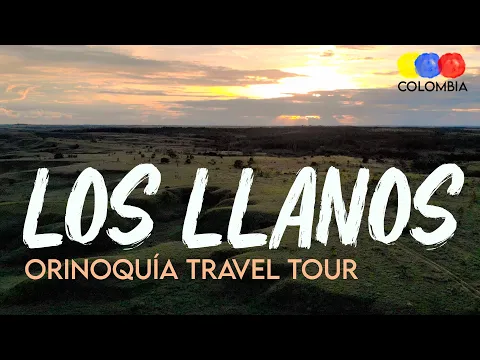
This is COLOMBIAFRANK’s overview of the Colombian Llanos and Orinoco region — Guaviare sits at the southern edge of this ecosystem where the savanna meets the Amazon forest. Below: what to see, when to go, and how to get there.
On this page — jump to a section
About San José del Guaviare
San José del Guaviare is the capital of the Guaviare department in south-eastern Colombia. It sits at the geographic transition between the Colombian Llanos (savanna) and the Amazon basin, on the banks of the Guaviare River. The town itself is small — around 70,000 inhabitants — but its surroundings (the Serranía de la Lindosa range) hold some of Colombia’s most striking pre-Columbian cave paintings, natural rock formations, and clear-water rivers.
This is not a polished tourist city. Guaviare was, until the 2016 peace process, one of the regions most affected by Colombia’s armed conflict, and tourism here is a recent development. Visiting means working with local community-based tour operators (most of whom are former coca farmers re-trained in eco-tourism). Pelecanus partners with these operators directly.
Top Attractions in San José del Guaviare
Serranía de la Lindosa cave paintings
A ~30 km range of sandstone hills with thousands of pre-Columbian rock paintings (estimated 12,500 years old). The main visitable sites are Cerro Azul, Cerro Pinturas, and Nuevo Tolima. These paintings depict fish, deer, jaguars, lizards, and human figures in red ochre. Access requires a community guide; some sites need a 1–2 hour hike.
Rivers and lagoons
Tranquilandia (Caño Sabana)
A black-water tributary with red, pink, and green aquatic plants in the dry season (December–March). Often called “the smaller Caño Cristales” — same Macarenia clavigera plant species. Around 1.5 hours by road from San José del Guaviare; a short hike to access the pools.
Lagoon Damas del Nare
A black-water lagoon where pink river dolphins (Inia geoffrensis) appear at dawn and dusk. Reached by boat from the Guaviare River. Best photographed in the early morning.
Pozos Naturales (natural fountains)
Crystal-clear pools formed by underground rivers in the sandstone. Swimmable. About 1 hour from town.
Rock formations
The Ciudad de Piedra (“Stone City”) and Puentes Naturales (Natural Bridges) are wind-eroded sandstone formations — the kind of landscape you might mistake for Utah or Arizona until you remember you’re at the edge of the Amazon. Walkable in 2–3 hours.
Plan Your San José del Guaviare Trip with Pelecanus
Guaviare is a destination where independent travel is genuinely hard — no scheduled tours, limited public information, and community access protocols. We work with the local Asomuca and Caminantes del Yarí cooperatives directly. RNT 51402 · IAGTO member · Bogotá-based since 2017.
Start planning your trip →Best Time to Visit San José del Guaviare
December to March (dry season) is the optimal window. Tranquilandia’s Macarenia clavigera plant is at peak color (red-pink), trails are dry, rivers are clearer, and access to all attractions is reliable. This is also when pink river dolphins are most consistently visible at Damas del Nare.
April to November (wet season) brings daily afternoon rain. Some attractions become inaccessible by road. Tranquilandia’s plants are submerged and lose their color. Dolphin viewing is harder due to higher water levels. Not recommended for first-time visitors.
Food & Cuisine
What to try
- Pescado moqueado — river fish (typically gamitana or bocachico) smoked over banana-leaf wraps. Amazonian indigenous preparation.
- Chicha de moriche — fermented drink made from the moriche palm fruit. Mildly alcoholic.
- Casabe de yuca — flat bread made from grated, pressed cassava. Indigenous Amazon staple.
Where to eat
- Catumare Comidas Amazónicas — the best-known traditional Amazon restaurant in town. Try the moqueado.
- Tiktak Café — casual lunch spot with local ingredients.
- Restaurante El Diamante — Colombian standard fare, good for breakfast and a-la-carte lunch.
Suggested Itinerary
3-Day Trip
| Day | Plan |
|---|---|
| Day 1 | Morning flight from Bogotá (BOG → SJE, ~1h). Hotel check-in. Afternoon visit to Ciudad de Piedra rock formations. |
| Day 2 | Full day Cerro Azul cave paintings (Serranía de la Lindosa). 1–2 hour guided hike + photography time. |
| Day 3 | Tranquilandia (Caño Sabana) — half day. Return flight to Bogotá in the afternoon. |
5-Day Trip
| Day | Plan |
|---|---|
| Day 1 | Flight Bogotá → San José del Guaviare. Hotel check-in. Welcome dinner at Catumare. |
| Day 2 | Cerro Azul cave paintings + Cerro Pinturas. Picnic lunch with the community. |
| Day 3 | Tranquilandia + Pozos Naturales. Swim in the crystal-clear pools. |
| Day 4 | Dawn at Lagoon Damas del Nare for pink river dolphins. Afternoon: Ciudad de Piedra + Puentes Naturales. |
| Day 5 | Optional river breakfast cruise. Return flight to Bogotá. |
Best Tours from San José del Guaviare
- Cerro Azul Cave Paintings Tour — Half-day with community guide from Asomuca. Includes 1–2 hour hike each way, picnic lunch, and the painted galleries. The most-requested experience in Guaviare.
- Tranquilandia Day Trip — Best December–March when the Macarenia clavigera is in color. Half-day including transport, hike, and swimming time.
- Pink Dolphin Dawn Tour — Boat departure ~5:30 AM to Lagoon Damas del Nare. ~3 hours on the water; best photography light.
- Full Rock Circuit — Combines Ciudad de Piedra + Puentes Naturales + Mirador in one day. 6–8 hours.
- 3-Day Cooperative Stay — Sleep one night in a community-run finca near the Serranía. Direct contact with former-conflict-actors-now-eco-guides; most authentic post-conflict tourism experience in Colombia.
All of these can be combined into a 3-day or 5-day private package — Pelecanus handles the permits, transport, guides, and lodging coordination.
Practical Information
Currency & payments
Colombian Peso (COP). One ATM in town (Banco Agrario, main square). Bring cash from Bogotá for the trip — most rural attractions, community fees, and small restaurants are cash-only. Cards work at the main hotel and at Catumare restaurant.
Connectivity
4G is reliable in town (Claro and Movistar both work). Outside town and on tour routes, expect no signal — bring whatever offline content you’ll need. WiFi at the main hotel only.
What to pack
- Hiking shoes — the cave paintings hike is unpaved, partly rocky.
- Swimwear and quick-dry clothes for Tranquilandia and Pozos Naturales.
- Heavy-duty insect repellent (DEET 30%+) — mosquitoes are aggressive especially at river sites.
- Long sleeves and trousers for evenings.
- Refillable water bottle (1+ L). No bottled water on community trails.
- Sun hat & sunscreen — equatorial sun, even in cloudy weather.
- Headlamp or torch for the cave paintings hike if you go at dawn.
- Cash in small denominations (COP 5,000 / 10,000 / 20,000).
Health & vaccinations
Yellow fever vaccination is required (Colombia regulation for Amazon-region entry). Confirm at least 10 days before travel. Malaria prophylaxis: ask your doctor — the area has historic malaria presence; current risk to short-stay travelers is low but non-zero. Bring basic first-aid + GI medication.
Where to Stay
Hotel options in San José del Guaviare are limited and basic by Bogotá or Cartagena standards. Pelecanus arranges accommodations matched to the trip’s standard — the higher-end options in town are 3-star equivalent. For travelers expecting boutique-level lodging, this destination requires recalibrated expectations: it’s about access to the landscape, not about the hotel.
Getting There & Around
By plane
The easiest and standard route. Satena operates daily flights from Bogotá (El Dorado) to San José del Guaviare Airport (SJE). Flight time ~1 hour. Pelecanus books these as part of the itinerary.
By road
Not recommended for international travelers. The land route from Bogotá takes 10–12 hours via Villavicencio and Granada, on roads that vary in quality. Useful only for travelers with extended time who want to see the Llanos en route.
Getting around
All attractions are outside town and require organized transport — 4×4 vehicles for the cave paintings, boats for the river attractions, and walking for the final access. Self-driving is not feasible without local guidance: the access routes cross private and indigenous land where community permission is required.
San José del Guaviare or Inírida?
Both are jungle-edge destinations in eastern Colombia, but they offer different experiences:
| Aspect | San José del Guaviare | Inírida |
|---|---|---|
| Main attraction | Cave paintings + rivers | Cerros de Mavecure (granite domes) |
| Landscape | Savanna-to-jungle transition | Deep Amazon + Orinoco rivers |
| Indigenous presence | Limited / non-resident contact | Strong (Puinave, Curripaco) |
| Cost | Mid (3–5 day trip) | Higher (longer logistics) |
| Difficulty | Moderate | Harder (more remote) |
| Best for | First-time Amazon-curious | Repeat travelers / serious explorers |
If you have to choose one, San José del Guaviare is the more practical first introduction — shorter flight, more developed access, fewer logistics surprises. Inírida is the deeper trip.
Likes & Dislikes
Likes
- Cave paintings are world-class and barely visited compared to similar sites elsewhere.
- Genuine post-conflict transformation story — your tourism dollars go directly to former-combatant cooperatives now running eco-tourism.
- Wildlife (pink river dolphins, jaguars-rumoured-but-rarely-seen, exotic bird species) without the Amazon-tour crowds.
- Landscape variety in a small radius: rivers, jungle, savanna, rock formations — all reachable in 3 days.
Dislikes
- Town itself is unremarkable — go for the surroundings, not the city.
- Hotel quality is basic; expectations need to be reset.
- Independent visits are very hard — you genuinely need a tour operator.
- Some attractions close during wet-season high water (April–November).
Related Colombia Travel Guides
- Inírida Travel Guide — the deeper Amazon-Orinoco trip
- Llanos Travel Guide — the savanna region adjacent to Guaviare
- Amazonas Travel Guide — Leticia and the southern Amazon
- Mitú Travel Guide — the next-step Vaupés destination
- Colombia Travel Guide — the main hub
Frequently Asked Questions about San José del Guaviare
Is San José del Guaviare safe?
Yes, the town and standard tour routes are safe in 2026. Guaviare was historically affected by Colombia’s armed conflict; since the 2016 peace agreement and the development of community-based tourism, the area has been opened up and the main tour zones are well-monitored. Off-road independent travel into remote rural zones is NOT recommended without a verified local guide.
Do I need a permit to visit the cave paintings?
Yes. The Cerro Azul / Cerro Pinturas sites are on community / indigenous land. Access is arranged through the local Asomuca cooperative. Your tour operator handles the permit and pays the community fee directly.
How many days do I need?
Three full days minimum to see the cave paintings, Tranquilandia, and the rock formations. Four to five days lets you add Damas del Nare (pink dolphins) and a slower pace. Less than 3 days and you’ll spend most of the trip on the road.
Is it possible without a guide?
Technically yes, but practically very difficult. Many attractions are on private or community-controlled land, and the access roads aren’t signposted. Pelecanus and the local cooperatives include the access permissions in the trip cost — solo travel can take an entire day just to figure out logistics.
Can I combine Guaviare with another destination?
Yes. Common combinations: Bogotá + Guaviare (5–7 days); Guaviare + Llanos (8–10 days); Guaviare + Inírida + Amazon Leticia (12–14 days, the deep eastern-Colombia loop).
References & Sources
- Cerros de la Lindosa cave paintings — Universidad Nacional / ICANH archaeological research (Colombia Institute of Anthropology & History).
- Asomuca — local community cooperative organising cave-painting visits (former Bajo Caguán farmer association).
- Macarenia clavigera — endemic Colombian aquatic plant; same species responsible for Caño Cristales’ “river of seven colors”.
- Satena — Colombian regional airline, scheduled BOG–SJE flights.
- Inia geoffrensis — Amazon river dolphin; IUCN Endangered (2018 assessment).
- RNT 51402 — Pelecanus SAS, official Colombian tour operator registry.
Plan Your Colombia Trip with Pelecanus
Pelecanus is Colombia's Swiss-managed tour operator (IAGTO member, RNT 51402, Bogotá since 2017). Continue planning with these hubs:
- Colombia Itinerary Planner — 50+ destinations across all regions
- Colombia Golf Trip Planner — 50+ courses, IAGTO-certified operations
- Colombia Destinations Guide — Cities, climates, signature experiences
Ready to plan? Request a custom proposal or message us on WhatsApp +57 321 214 6210. We respond within 24 hours. (Request a custom proposal)