
Updated: · by Frank Spitzer
Florencia Travel Guide 2026 — Colombiafrank

Start with the Video — Around Florencia, Caquetá
Florencia is the Caquetá capital — Colombia’s Amazon-edge gateway. This COLOMBIAFRANK clip shows the kind of river-crossing terrain that surrounds the city.
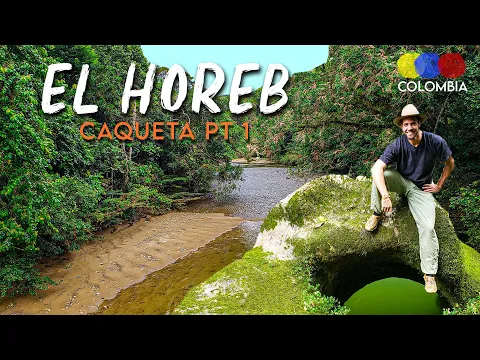
Florencia is one of Colombia’s least-touristed regional capitals — for context, the wider Caquetá department was, until the 2016 peace process, the historical strategic heartland of the FARC guerrilla. The city has opened to tourism since then, but the infrastructure is rudimentary. Travelers come here for genuine Amazon-edge nature, indigenous community visits, and a glimpse of a post-conflict Colombia rebuilding its frontier.
On this page — jump to a section
About Florencia
Florencia is the capital of the Caquetá department in south-central Colombia, sitting at the foot of the eastern Andean cordillera as it descends into the Amazon basin. The city sits at 242 m altitude on the Río Hacha, with around 190,000 inhabitants. Founded in 1902 by Capuchin missionaries who renamed an existing settlement, it is one of the youngest departmental capitals in Colombia.
The local nickname is “Puerta de Oro de la Amazonía” (Golden Gate of the Amazon). Climate is hot tropical and very rainy — average 25°C, abundant year-round precipitation, with the highest concentration of rainfall in May–August. The city itself is small and functional; the surrounding department contains some of Colombia’s richest still-intact Amazon transition forests.
Caquetá was a strategic FARC stronghold during the conflict. Since the 2016 peace process, the region has been pivoting toward sustainable tourism — community-led eco-projects, indigenous tourism with the Coreguaje and Uitoto peoples, and cave + waterfall ecosystem visits. Infrastructure is basic; logistics need certified operators. The reward is access to one of Colombia’s most genuinely untouched landscapes.
Top Attractions in Florencia
Malecón del Río Hacha
The riverfront promenade along the Río Hacha, with open-air restaurants and bars. Best at sunset. The strongest stand-alone reason to spend an evening in Florencia.
Catedral Nuestra Señora de Lourdes
The cathedral on Parque Santander — Capuchin-founded, with a distinctive twin-tower façade. The Capuchin order’s missionary work in Caquetá defined the early-20th-century settlement of the region. Free entry outside mass hours.
Parque Santander & Parque Bolívar
The two main civic squares of Florencia. The Parque Santander is the most lively in the evenings — ice-cream stands, locals, traditional music spilling from nearby restaurants.
Mirador El Cuña & Mirador El Mirador
Hilltop viewpoints overlooking Florencia and the Amazonian transition lowlands beyond. Best at sunset; especially atmospheric on clear days when the Andean foothills and the start of the Amazon basin are visible together.
Museo Caquetá (history & ethnography)
The small regional museum with Caquetá ethnographic collections (Coreguaje, Uitoto, Andoque peoples), 19th-century missionary documents, and exhibits on the regional history including the conflict period. Worth a 1-hour visit for context before going deeper into the department.
Day Trips from Florencia
Cascadas & waterfall circuit (1–2h)
Caquetá’s Andean foothills are full of cascades. The most accessible from Florencia: Cascadas El Caraño, Cascadas Las Pailas, and the Cascada Salto del Rey. Half-day or full-day visits depending on the route. Trails are sometimes muddy — bring proper shoes.
El Horeb river-crossing & nature trail (45 min)
A protected-area nature trail with multiple river crossings — the kind of terrain shown in the COLOMBIAFRANK video at the top of this guide. Adventure-style day hike. Best in dry weather; trails close in heaviest rain.
Coreguaje & Uitoto community visits
Several indigenous communities in Caquetá welcome respectful visitors through community-led tourism programs. Visits include traditional mambeo ceremonies (coca-leaf and tobacco ritual), craft demonstrations, and shared meals. Always arranged through the community council, never direct. Pelecanus uses operators with verified community agreements.
Doncello & the rural Caquetá corridor
The road north of Florencia passes through Doncello, El Paujil, and on to La Montañita — the post-conflict rural corridor. Half-day for travelers interested in the regional reconciliation story. Some former FARC-affiliated communities now run sustainable tourism initiatives.
San Vicente del Caguán (3h north)
The historic post-conflict transition town — site of the failed 1998–2002 peace negotiations between the Pastrana government and FARC. Today it’s a quiet cattle-ranching town with hot springs and a complex local memory. Visit only with proper authorisation.
Amazon transitions — toward Solano & Araracuara (long extension)
For travelers with extended time, Caquetá connects to the deeper Amazon at Solano (river port on the Caquetá river) and Araracuara (former prison settlement, now eco-tourism destination). These are not day trips — plan 3–5 days for the deeper Amazon extension.
Plan Your Florencia Trip with Pelecanus
Florencia pairs well with Amazon-edge eco-tourism, post-conflict reconciliation interest, and indigenous community visits. Logistics require operators with current local authorisations — we use certified partners. RNT 51402 · IAGTO member · Bogotá-based since 2017.
Start planning your trip →Suggested Itinerary
3-Day Trip
| Day | Plan |
|---|---|
| Day 1 | Flight Bogotá → Florencia (1h). City orientation: Malecón + Cathedral + Mirador sunset. Dinner. |
| Day 2 | Cascadas circuit (El Caraño + Las Pailas) + traditional rural-restaurant lunch. |
| Day 3 | Indigenous community visit (Coreguaje) + return flight. |
5-Day Trip
| Day | Plan |
|---|---|
| Day 1 | Arrive Florencia. City + Malecón sunset. |
| Day 2 | Cascadas day + traditional lunch. |
| Day 3 | El Horeb nature trail + river crossings. |
| Day 4 | Indigenous community visit (Coreguaje or Uitoto) + post-conflict rural corridor. |
| Day 5 | Optional San Vicente del Caguán day OR Doncello rural corridor + return flight. |
Best Tours from Florencia
- Cascadas Day — El Caraño + Las Pailas + traditional rural lunch. The headline nature day.
- El Horeb Nature Trail — Adventure-style hike with river crossings.
- Coreguaje Community Visit — Traditional ceremonies + crafts + shared meal. Arranged through community council.
- Post-Conflict Rural Corridor — Doncello + El Paujil + La Montañita. Educational + cultural angle.
- San Vicente del Caguán Heritage Day — Former negotiation town. Requires operator authorisation.
- Deeper Amazon Extension — Solano + Caquetá river + Araracuara. 3–5 days minimum.
Best Time to Visit Florencia
December–March — Drier window. The best time. Less rain (it still rains, but less). Cascades are full-flow but trails are accessible. Sunsets are clear.
Avoid: May–August. Peak rain. The forest is incredible but trails close routinely, river crossings become dangerous, road access to communities can be cut off.
Food & Cuisine
What to try
- Tamal de gallina caqueteño — Banana-leaf chicken tamale, regional version with corn dough.
- Pirarucú & bocachico (river fish) — The local Amazon-edge river fish, grilled or stewed with patacones.
- Casabe — Yucca-flat bread, traditional indigenous food, served as table bread.
- Sancocho de gallina caqueteño — Chicken soup with regional tubers and herbs.
- Mojojoi — Toasted palm grubs — traditional indigenous protein. Yes, it’s alarming. Yes, it tastes like coconut bacon.
- Frutos amazónicos — Native fruits like copoazú, arazá, asaí (acai), and macambo — rarely seen elsewhere in Colombia.
Where to eat
- Restaurants on the Malecón del Río Hacha — Open-air dining with river view.
- Restaurante Donde Lulu — Traditional regional set lunch.
- Plaza de Mercado Florencia — The municipal market for cheap local lunches and seasonal Amazon fruits.
- Community-led meals at indigenous visits — The most authentic culinary experience: casabe + cazón + traditional preparations.
Where to Stay
Florencia’s hotel scene is basic — mid-range business-class only. Hotel Plaza Real, Hotel Imperial. No boutique inventory. For community visits, accommodations are basic rural cabins arranged through the operator. Pelecanus matches accommodation to the trip standard.
Getting There & Around
By plane
Gustavo Artunduaga Paredes Airport (FLA) is 4 km from Florencia. Avianca, Satena and Easyfly operate flights from Bogotá (~1h 10m). Limited daily frequency; book early.
By road
Bogotá → Florencia by road is long (9–10 hours) via Neiva and the Andean descent. Fly instead. Neiva → Florencia is 5 hours via Garzón.
Getting around
Centro Florencia is walkable. Taxis are inexpensive. For cascadas, El Horeb, communities, and rural corridor visits, private 4WD transport with a certified operator is the only practical option. Pelecanus arranges transfers.
Practical Information
Altitude & climate
Florencia sits at 242 m — hot tropical, very humid, very rainy. Average 25°C, daytime highs 30°C+. Pack light cotton, long sleeves for forest hikes (insects), waterproof shoes, rain shell, strong insect repellent, sunscreen. Yellow-fever vaccination is recommended; carry your certificate.
Currency & payments
Colombian Peso (COP). ATMs in the centro and at the airport. Limited ATM access outside the city — bring cash for cascades, communities, rural restaurants. Cards work only in hotels and a handful of restaurants.
Safety
Florencia itself is safe by day with standard urban precautions. The wider Caquetá department was the historical FARC strategic heartland and has post-conflict residual armed-group activity in remote sectors. Modern tourism operates only in safe corridors with proper authorisation. Pelecanus uses certified operators with current local intelligence. Travel beyond standard tour corridors should not be attempted independently.
Connectivity
4G is functional in Florencia city. Coverage drops to none in the cascades, in communities, and on the rural corridor. Carry downloaded maps and offline content. Communicate travel plans before going off-grid.
Florencia or Mocoa?
Two Amazon-edge regional capitals on Colombia’s south-eastern Andean threshold.
| Aspect | Florencia | Mocoa |
|---|---|---|
| Department | Caquetá | Putumayo |
| Altitude | 242 m | 580 m |
| Headline nature | Cascadas + Amazon-transition forest | Fin del Mundo waterfall + Andes-Amazon transition |
| Indigenous angle | Coreguaje, Uitoto | Inga, Kamëntšá, Kofán |
| Tourism maturity | Rudimentary; post-conflict pivot | Slightly more developed; yagé/ayahuasca tradition |
| Best for | Frontier-Amazon nature; post-conflict context | Indigenous medicine traditions; Andes-Amazon transition |
Both are off-the-beaten-path destinations. Choose Florencia for raw cascades and post-conflict Caquetá; Mocoa for the deeper indigenous-medicine tradition and the iconic Fin del Mundo waterfall.
Likes & Dislikes
Likes
- One of Colombia’s least-visited regional capitals — you go before others arrive.
- Access to genuinely intact Amazon-edge transition forest.
- Strong indigenous community tourism options — Coreguaje and Uitoto.
- Post-conflict context gives travelers a real glimpse of modern Colombia’s reconciliation.
- Distinct Amazon-fruit and river-fish food culture.
- Direct flights from Bogotá.
Dislikes
- Tourism infrastructure is rudimentary — only basic hotels, limited operator network.
- Heavy rains for half the year complicate access.
- Post-conflict context means certain routes require operator authorisation.
- City itself has limited stand-alone appeal — the experience is in the surrounding nature.
- Yellow-fever vaccine + strong insect repellent are non-negotiable.
Related Colombia Travel Guides
- Mocoa Travel Guide — the Putumayo Amazon-edge alternative
- Neiva Travel Guide — the natural Magdalena-valley northern stopover
- Amazonas Travel Guide — the deeper Amazon experience
- San José del Guaviare Travel Guide — the Amazon-Orinoquía transition
- Colombia Travel Guide — the main hub
Frequently Asked Questions about Florencia
Is Florencia safe?
Florencia city itself is safe with standard urban precautions. The wider Caquetá has residual post-conflict armed-group activity in remote sectors — modern tourism operates only in safe corridors with proper authorisation. Pelecanus uses certified operators with current local intelligence; independent travel outside standard tour corridors is not recommended.
How many days do I need?
Three days minimum for the city + cascades + one indigenous community visit. Five days lets you add the rural corridor and the El Horeb nature trail. Deeper Amazon extensions (Solano, Araracuara) need an additional 3–5 days.
Do I need vaccinations?
Yellow-fever vaccine is strongly recommended for Caquetá visits — carry your International Certificate of Vaccination (ICVP). Some operators check it. Standard travel vaccines (tetanus, hepatitis A) should be current.
What about the post-conflict context?
Caquetá was a strategic FARC stronghold until the 2016 peace process. The region is rebuilding, with sustainable tourism becoming a real local industry. Modern tourist corridors are safe with proper authorisation. The cultural and historical context adds depth to the visit.
Can I visit indigenous communities?
Yes — through community-led tourism programs arranged via the community council. Visits include traditional ceremonies, crafts, shared meals. Always go via verified operators with current community agreements — never approach indigenous communities directly.
Do I need to speak Spanish?
Yes — English is rarely spoken. Pelecanus provides bilingual guides.
References & Sources
- Gustavo Artunduaga Paredes Airport (FLA) — Aerocivil Colombia operational data; 4 km from Florencia.
- Capuchin missionary settlement of Caquetá — Early-20th-century mission history; founding date 1902.
- FARC peace process — 2016 Acuerdo Final de Paz; Caquetá was a strategic FARC stronghold during the conflict.
- Indigenous Communities — Coreguaje, Uitoto, Andoque — Caquetá ethnographic record; current population estimates from Ministerio del Interior.
- Yellow Fever Vaccine — OMS / WHO recommends vaccination for travel to Caquetá and Putumayo.
- RNT 51402 — Pelecanus SAS, official Colombian tour operator registry.
Plan Your Colombia Trip with Pelecanus
Pelecanus is Colombia's Swiss-managed tour operator (IAGTO member, RNT 51402, Bogotá since 2017). Continue planning with these hubs:
- Colombia Itinerary Planner — 50+ destinations across all regions
- Colombia Golf Trip Planner — 50+ courses, IAGTO-certified operations
- Colombia Destinations Guide — Cities, climates, signature experiences
Ready to plan? Request a custom proposal or message us on WhatsApp +57 321 214 6210. We respond within 24 hours. (Request a custom proposal)