
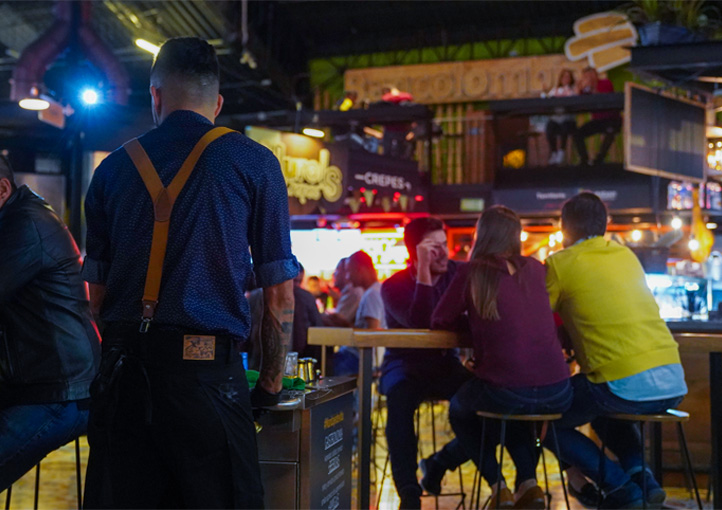
Updated on 03/13/2024
Dear reader,
I would also like to recommend our Colombia travel guide, which provides a perfect overview of the tourist attractions in Colombia. Enjoy reading it!
Welcome to the party in Colombia
“Many travelers who have visited a certain South American country speak highly of the local people, noting their significant contribution to the overall experience. These locals are known for their joyful disposition and love for life, qualities that are especially evident in their vibrant nightlife scene. Interestingly, the median age in this country is notably young, standing at 31 years. This statistic indicates that half of the population is younger than 31, a figure that is quite low in comparison to many other nations. For instance, the median age is above 38 in the USA and over 45 in Germany.
As a result, the proportion of people who are enthusiastic about dancing in this South American country is considerably higher than in many Western nations.”
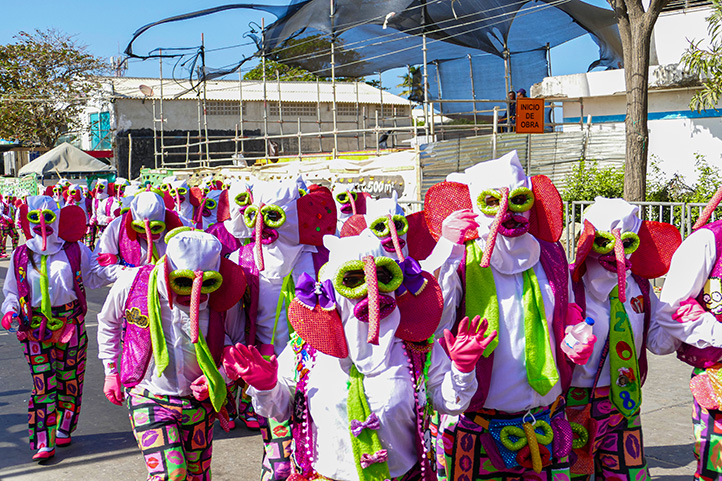
Party culture in Colombia
The party culture in Colombia is deeply intertwined with its familial and societal structures. Being a predominantly Catholic country, Colombia values close family ties, leading to large, interconnected family groups that often socialize together. This socialization extends to the party scene, where it’s common for groups of relatives, including extended family, to enjoy nights out together.
Colombian society tends to be described as patriarchal, with social norms differing for men and women. This cultural aspect influences social behaviors, including partying. Colombians generally enjoy intense celebrations with alcohol and dancing being central elements. It’s noted that almost everyone dances, and social gatherings are often lively and spirited.
Despite a vibrant party scene, there exists a level of social control, particularly affecting women more than men. This control stems partly from the fact that many Colombians, regardless of gender, live with their families until marriage, leading to a form of social monitoring.
Foreigners are usually welcomed warmly in Colombian social scenes, especially if they can speak some Spanish. Integration into local groups can lead to memorable party experiences, though it’s also noted that Colombia is not a destination for quick romantic encounters, largely due to the societal and familial structures.
The drinking culture includes a preference for beer across genders, with wine being less popular. Traditional drinks like aguardiente are common, often shared in social settings. Rum, whiskey, and cocktails are also enjoyed.
Overall, the Colombian party culture is vibrant and deeply rooted in its social and familial fabric, offering a unique experience to both locals and visitors.
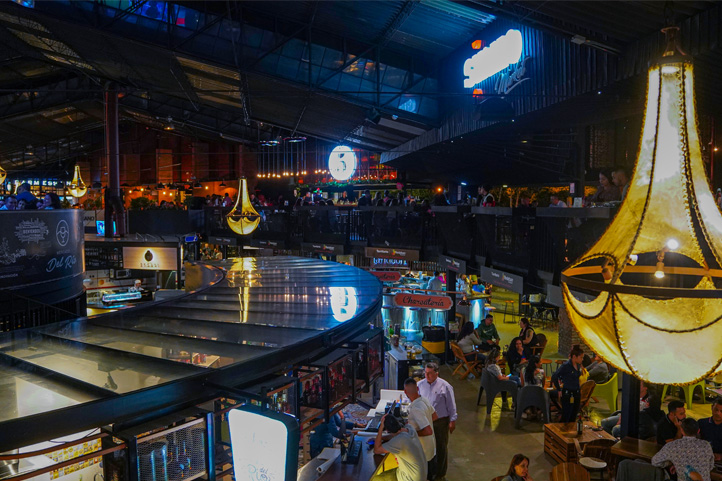
Nightlife and going out in Bogota
Exploring the nightlife in Bogota offers a unique glimpse into the vibrant culture of Colombia. As the country’s capital, Bogota is not only a political and economic stronghold but also a hub for education and culture, attracting a diverse population from across the nation. With its vast array of entertainment options, the city caters to a wide range of tastes and preferences, making it an exciting destination for both locals and visitors. Understanding the nuances of Bogota’s nightlife, from its popular zones to cultural norms, can greatly enhance the experience for anyone looking to delve into the city’s dynamic evening scene. Let’s dive into the specifics of what makes Bogota’s nightlife so special.
City Overview:
- Role: Bogota is Colombia’s political, economic, and educational center.
- Population: Attracts people nationwide, with about 10 million residents.
Nightlife Zones:
- Main Areas: La Candelaria to Usaquen, stretching from Calle 7 to Calle 120, about 12 km long and 3 km wide.
- Demographics: These areas are middle and upper-class residential zones.
- Safety: Advised to avoid less affluent southern areas.
Zona Rosa:
- Location: Near Andino shopping center.
- Offerings: Variety of restaurants, bars, and clubs.
- Prices: Range from affordable to upscale, but generally moderate.
Cultural Aspects:
- Dancing: Less intense in Bogota compared to other Colombian regions. More freestyle than couple dances.
- Music: Wide range, including electronic. Salsa, bachata, merengue, champeta, cumbia, and tango are also available.
- Dress Code: Casual, influenced by the climate. Smart dressing recommended.
Tips for Visitors:
- Language: Some knowledge of Spanish helps, though English is spoken.
- Social Interaction: Traditional gender roles are more pronounced.
- Recommended Venues: Video Club, Theatron, and Armando Records.
- Student Scene: Lively student gatherings in the city center on Fridays.
- Special Mention: Andrés Carne de Res in Chia for high-energy weekends.
- Safety: Be vigilant with drinks to avoid drugging.
Nightlife and going out in Medellin
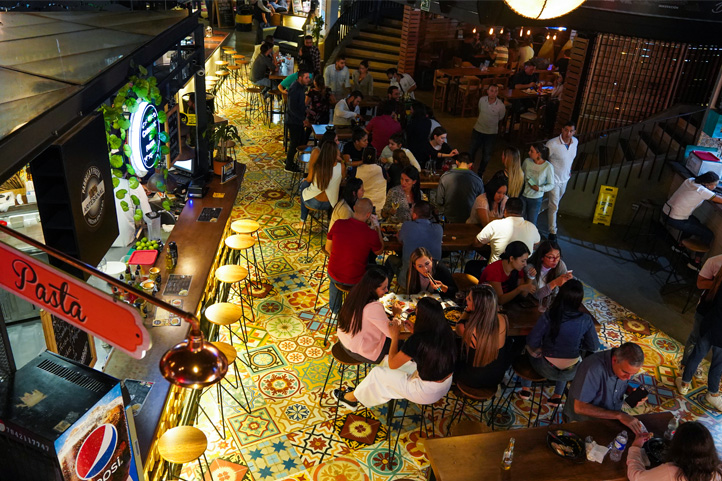
Medellin offers a vibrant and diverse nightlife experience, shaped by its pleasant climate and unique culture. Let’s delve into the different aspects of going out in Medellin:
City Overview:
- Smaller and Warmer: Compared to Bogota, Medellin is smaller and boasts a milder climate.
- Cultural Differences: The local culture is distinct from Bogota’s, marked by a more open-minded and friendly population.
Nightlife Zones:
- El Poblado: The most popular area for nightlife, featuring a range of fancy hotels, hostels, bars, and restaurants.
- Laureles: Known for its relaxed and funky atmosphere, with various nightlife spots.
- Other Zones: Additional areas include El Centro, Lleras, Barrio Colombia, La 33, La 70, and Las Palmas, each catering to different budgets and preferences.
Cultural Shifts:
- Foreign Presence: Medellin has seen a significant increase in foreign visitors, including digital nomads and tourists with varied interests.
- Local Sentiments: The behavior of some foreigners has led to a degree of local resentment and skepticism, especially towards foreign men due to the rise in sex tourism.
Local Women’s Perspective:
- Changing Dynamics: There is a noticeable shift in how local women view foreign men, with increased caution due to issues like harassment and the rise of sex tourism.
Nightlife Enjoyment:
- Welcoming Atmosphere: Despite the challenges, Medellin’s nightlife, with its rich gastronomy and club scenes, continues to be a draw for visitors.
- Safety Advice: Visitors are advised to respect local culture and norms to enjoy the best of Medellin’s nightlife.
- Risks: Currently, there are reports of 1-2 foreigners per month being found deceased due to drug overdoses, often in scenarios involving being drugged by prostitutes with the intent to rob them.
Understanding these facets of Medellin’s nightlife helps in appreciating the city’s unique character while respecting its culture and the concerns of its residents.
Nightlife and going out in Cali
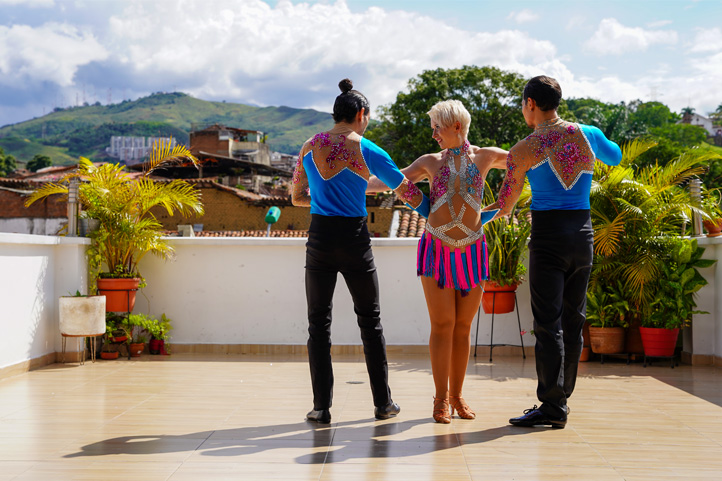
Cali, known as the world capital of salsa, offers a distinct and vibrant nightlife experience, especially for those who are passionate about dance and good food. Here’s a detailed overview of what makes Cali’s nightlife unique:
City Overview:
- Location: Situated on the Pacific coast.
- Cultural Identity: Majority of the population is Afro-Colombian.
- Salsa Capital: Renowned globally as the center for salsa dancing.
Salsa Culture:
- Dancing Skills: In Cali, the ability to dance salsa is seen as essential, especially for men. It’s often joked that men who can’t dance won’t find a partner.
- Learning Salsa: Visitors are encouraged to have some basic knowledge of salsa or plan to learn it upon arrival.
Nightlife Scene:
- Focus on Dance: Less emphasis on alcohol consumption, with a greater focus on dancing.
- Women’s Advantage: Women, even those new to salsa, can quickly adapt and enjoy dancing, as the men lead.
- Female Quota: There’s a higher proportion of women in nightlife venues, leading them to confidently invite men to dance.
Personal Experience:
- Favorite Destination: The author expresses a personal preference for Cali, citing a desire to return and improve their salsa skills.
For those interested in experiencing the authentic salsa culture and enjoying excellent local cuisine, Cali presents an unparalleled destination. The city’s unique emphasis on dance over drinking sets it apart from other Colombian cities.
Nightlife and going out in Cartagena
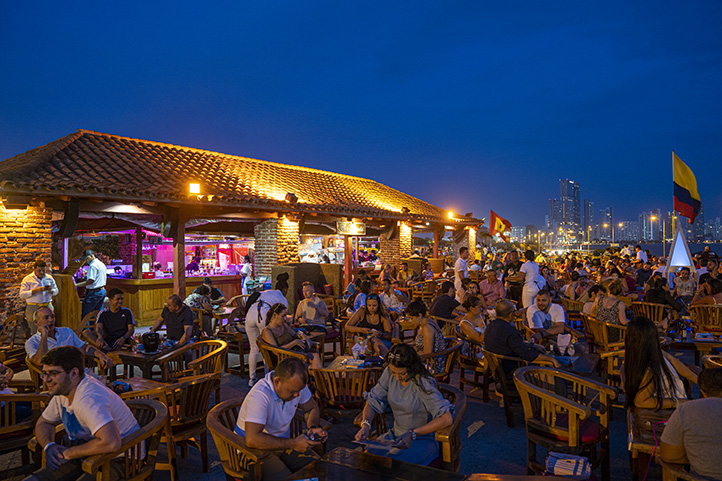
Cartagena, with its vibrant club life reminiscent of major world cities, offers a unique nightlife experience shaped by its Caribbean coast location and luxury status. Here’s an overview of Cartagena’s nightlife:
City Overview:
- Location: On the Caribbean coast.
- Climate: Hot weather leading to many air-conditioned bars and clubs.
- Luxury Destination: Known as a high-end spot within Colombia.
Nightlife Character:
- Club Life: Similar to what you’d find in major global cities.
- Holiday Mood: Attracts a lot of national and international tourists looking to party.
- Dance Culture: Physical contact in dancing is common, with a more relaxed approach to personal space.
Social Dynamics:
- Rich-Poor Gap: Notable disparity between wealthy and less affluent residents.
- Nightlife Areas: Primarily concentrated in the historic part and Bocagrande.
- Prostitution: A significant issue, with Cartagena becoming a destination for sex tourism.
Personal Caution:
- Interactions: Advised to be cautious about the intentions behind new acquaintances.
- Safety: Despite the potential for great fun, there’s a need to be aware of the underlying motivations in social settings.
Cartagena’s nightlife offers a mix of luxury, vibrant clubbing, and cultural uniqueness, but it’s also marked by its social challenges. Understanding these aspects can help navigate the city’s nightlife with a more informed perspective.
Nightlife and going out in other cities
Exploring the nightlife in various cities across Colombia reveals a rich tapestry of experiences, each unique to its location and cultural background. While major cities like Bogota, Medellin, Cali, and Cartagena offer distinct and well-known nightlife scenes, other parts of Colombia also have their own flavors of evening entertainment.
Diversity Across Cities:
- Varied Nightlife: Smaller cities and towns in Colombia have nightlife scenes that may be more subdued or localized compared to the major cities.
- Cultural Influences: Each region in Colombia has its own cultural influences, which are reflected in its nightlife, from music and dance to social customs.
Traveler’s Experience:
- Exploration: Travelers can discover unique aspects of Colombian culture by experiencing the nightlife in different regions.
- Expectation vs. Reality: The intensity and style of nightlife can vary greatly from one place to another, offering surprises and new experiences.
General Advice:
- Safety and Respect: No matter where you are in Colombia, it’s important to prioritize safety and respect local customs and people.
- Learning Opportunities: Nightlife can be a great way to learn about Colombian culture, meet locals, and even pick up new skills like dance moves.
In conclusion, Colombia’s nightlife is diverse and rich, offering something for every traveler. Whether you’re looking for vibrant club scenes, intimate local hangouts, or cultural experiences, exploring the nightlife across different Colombian cities can be a rewarding part of your travel adventure.
More about events and celebrations in Colombia
- Colombia’s 45 Best & Biggest Festivals in Detail
- How Holy Week is Celebrated in Colombia: Unmissable Traditions and Places
- Holidays in Colombia: Guide to Holidays and Long Weekend Breaks in Colombia
- 9 Unmissable Cultural Events You Must Experience in Barranquilla
- 13 Unmissable Cultural Events in the Coffee Region
- The 13 Most Popular Cultural Events in Cali
- The 9 Most Popular Cultural Events in Santa Marta
- The 9 Most Popular Cultural Events in Cartagena
- The 13 Most Popular Cultural Events in Medellin
- The 17 Most Popular Events in Bogota
- Colombia Film Culture: 8 Festivals, 7 Movies to See
- Top 16 Most Important Music Festivals in Colombia
- Gastronomic Festivals in Colombia: 6 Not to be Missed Plans
- Understand Colombia’s Nightlife: Party Like Never Before
- Unforgettable NYE in Colombia: 15 Vibrant Traditions Revealed!
- The 12 Most Celebrated Christmas Traditions in Colombia
